
 Medically Reviewed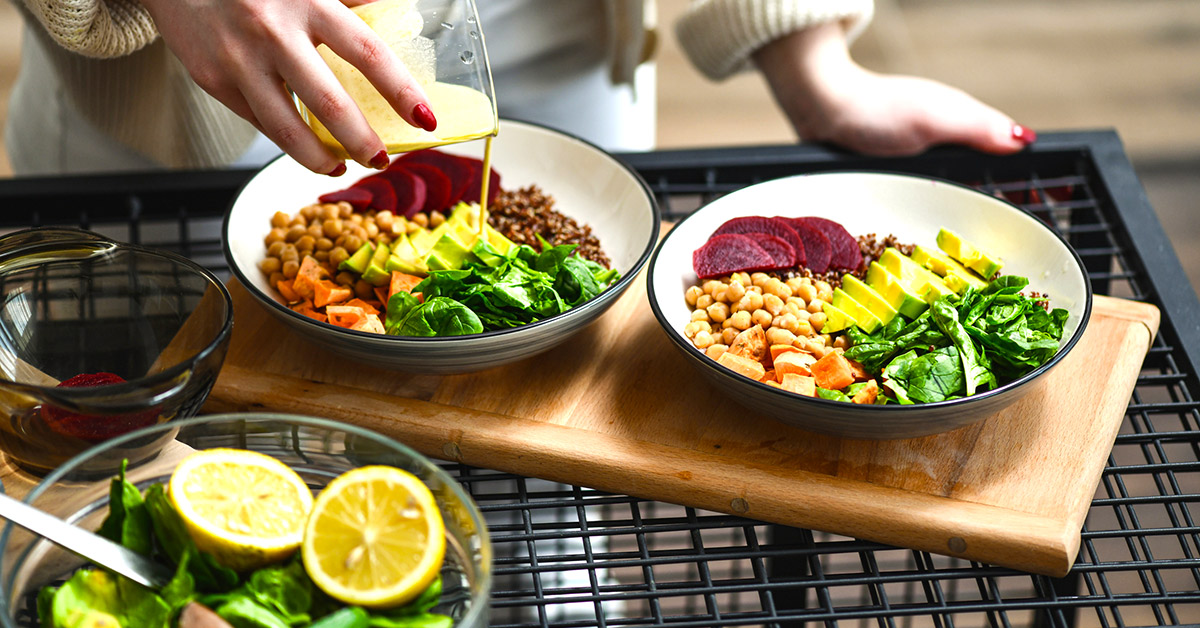

Key Takeaways
- Tirzepatide slows gastric emptying and changes appetite signaling, making food choices and meal structure important for managing nausea, indigestion, and other GI side effects.
- Prioritizing high-quality protein supports satiety and helps preserve lean muscle during weight loss.
- High-fat, fried foods and refined carbohydrates are harder to tolerate on tirzepatide and can worsen digestive discomfort and blood sugar swings.
- Large, heavy meals place added strain on digestion and are more likely to trigger nausea and prolonged fullness than smaller meals.
- Simple habits such as staying hydrated, choosing fiber-rich whole foods, and swapping poorly tolerated foods can improve comfort and long-term adherence.
If you’re just starting on tirzepatide or considering doing so in the future, you may be wondering if you need to make changes to your diet.
Tirzepatide mimics two hormones, GIP and GLP-1, which signal the brain that you are full and slow the rate of gastric emptying, which refers to how quickly a meal leaves the stomach and enters the small intestine. These effects not only help to manage your appetite, but also leave you feeling fuller longer after eating.
At the same time, tirzepatide also has side effects that typically impact your digestive system. A healthy diet can enhance the effects of tirzepatide, help manage some of the undesirable side effects, and support your overall health and well-being.
There is no “one size fits all” approach to healthy eating. When and what you eat may look different than those around you, and yet still be nourishing and support your health goals.
That being said, the same general principles of healthy eating still apply.
The Foundation: Why Diet Changes are Essential on Tirzepatide
Tirzepatide has known digestive side effects that can be managed through diet. The most common side effects are nausea, diarrhea, constipation, vomiting, and indigestion. Certain foods or eating patterns will worsen these symptoms, while others can improve them.
Plus, tirzepatide results in weight loss, including both fat mass and lean body mass. Rapid loss of lean body mass, especially muscle mass, can harm your overall health by impairing muscle strength and function, slowing metabolic rate, and increasing injury risk.
The good news is that a healthy diet, when coupled with resistance training, can help to maintain lean body mass during weight loss.
The Best Foods to Eat: The Three Pillars of Nutrition
Your body needs three essential macronutrients– protein, carbohydrates, and fats– in order to thrive. These three pillars of nutrition include:
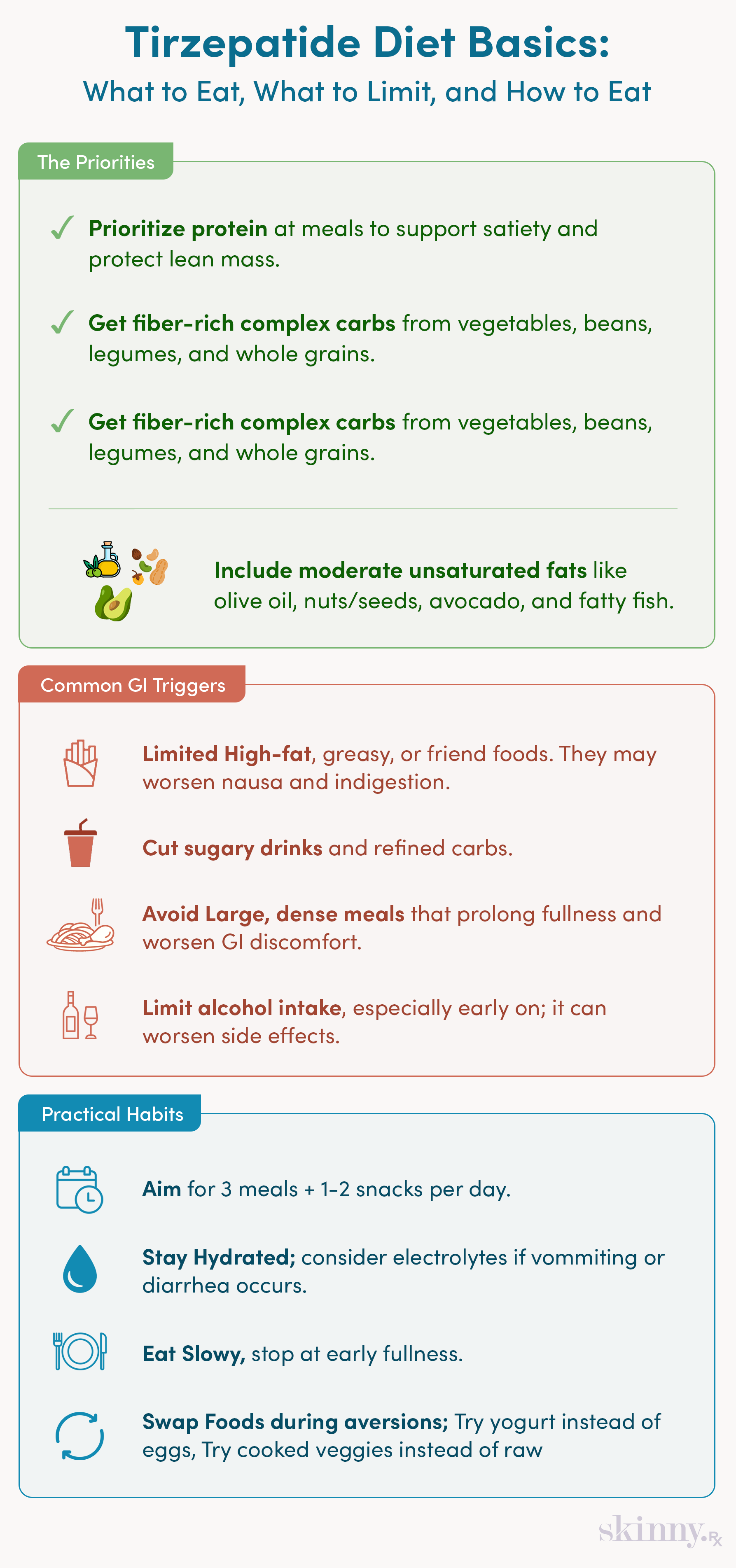
Pillar 1: High-Quality Protein
High-quality protein is essential to building and maintaining muscle mass, especially during weight loss. Proteins also function as building blocks for your bones, skin, hair, blood, and cartilage, as well as smaller molecules in the body like enzymes and hormones. Both plant and animal foods provide protein.
Plant sources of protein include:
- Beans (e.g. pinto beans, navy beans, black beans)
- Legumes (e.g. peanuts, lentils, peas)
- Nuts and seeds (e.g. walnuts, almonds, pumpkin seeds, sunflower seeds)
- Whole grains (e.g. brown rice, whole wheat, popcorn, quinoa, farro, teff)
- Vegetables (e.g. sweet potatoes, Brussels sprouts, spinach)
Animal sources of protein include:
- Fish (e.g. salmon, shrimp, tuna, mackerel)
- Poultry (e.g. turkey, chicken)
- Beef
- Pork
- Eggs
- Dairy
Protein is often categorized by its “quality,” or how its makeup of essential amino acids compares to a reference food. Most plant foods provide “low-quality” protein, meaning they are low or lacking in one or more essential amino acids. Animal-based foods provide “high-quality” or complete protein, meaning they contain all essential amino acids.
That being said, it is perfectly possible to intake all of the amino acids needed if you are following a largely plant-based diet; a mix of protein-rich foods will cover your bases. Plus, plant-based protein foods (e.g. lima beans, lentils, pumpkin seeds), are also rich in dietary fiber and other vitamins and minerals.
Protein foods will vary in their fat content, which is an important consideration for those taking tirzepatide. Choose lean protein foods with minimal fat content (e.g., fat-free or low-fat plain yogurt, chicken or turkey breast with the skin removed, pork tenderloin, sirloin steak).
High-fat foods (e.g., fatty cuts of beef, pork, or poultry) will worsen many of the common digestive symptoms with tirzepatide, especially indigestion and heartburn. This occurs because high fat foods take a longer time to digest, meaning they stay in your stomach longer before passing into the small intestine.
Since tirzepatide already delays gastric emptying, high fat foods that amplify this effect may worsen digestive upset.

Because GLP-1 medications can reduce appetite, people often unintentionally under-eat protein. I remind patients to build each meal around a protein source first, then add fiber-rich plants, so they protect muscle and also stay fuller longer.
–
Dr. Daniel McGee, Board-certified Family Medicine Physician

Doctor-Guided Medical Weight Loss
Learn how prescription GLP-1 medications like semaglutide or tirzepatide may support weight loss when guided by a licensed medical provider and tailored to your health history.
Pillar 2: Complex Carbohydrates and Fiber
Complex carbohydrates and Fiber are essential nutrients for energy and gut health. Carbohydrates are categorized as simple or complex based on their chemical structures.
Not all carbs are created equally– they are found in different foods and metabolized differently in the body.
Simple carbohydrates have a simpler, or shorter, chemical structure, and are therefore digested and absorbed quickly. Food sources of simple carbohydrates can be naturally occurring, such as those found in fruit and dairy, or added to foods for sweetening purposes.
In contrast, complex carbohydrates have a more complex, or longer, chemical structure. They take more time to digest and provide a longer lasting energy source.
Choosing mostly complex carbohydrates will provide you with sustained energy and help with blood sugar management. Food sources include:
- Whole grains (e.g., wheat, barley, brown rice, quinoa, and popcorn)
- Vegetables (e.g., corn, peas, and sweet potatoes, onions, broccoli, and peppers)
- Beans and legumes (e.g., black beans, pinto beans, kidney beans, or lentils)
- Nuts and seeds (e.g., almonds, walnuts, and pumpkin seeds)
Plus, plant foods rich in complex carbohydrates happen to be rich in another MVP nutrient, fiber. Fiber plays a critical role in satiety, blood sugar management, and heart health.
By incorporating a variety of whole grains, vegetables, beans, legumes, nuts and seeds in your diet, you’ll ensure you are providing your body with the carbohydrates it needs to meet your needs.
Pillar 3: Healthy, Unsaturated Fats
Healthy fats are critical nutrients that support every cell in your body and are especially important for heart and brain health. Similar to carbohydrates, fats are classified based on their chemical structure. They are found in different foods and impact your heart health in different ways.
Unsaturated fats benefit your heart health by improving cholesterol levels and supplying key essential fatty acids– those your body cannot produce on its own and has to intake through foods– including omega-3 and omega-6 fatty acids.
These fats may be further classified as monounsaturated or polyunsaturated, but the key takeaway is to focus on unsaturated fats in your diet.
Food sources of unsaturated fats are mostly plants, including:
- Oils (e.g., olive oil, safflower oil)
- Fatty fish (e.g.. salmon, mackerel)
- Nuts and seeds (e.g., walnuts, almonds, cashews)
- Avocados
In contrast, saturated fats are found mostly in animal foods such as fatty cuts of beef, poultry, or pork, as well as full-fat dairy and egg yolks. These fats tend to increase blood cholesterol levels and should therefore be limited in your diet.
Foods to Strictly Limit or Avoid to Prevent GI Distress
If you are taking tirzepatide and experiencing nausea, diarrhea, constipation, vomiting, or indigestion, the good news is that nutrition strategies can sometimes help provide relief.
Avoid High-Fat and Fried Foods.
High-fat foods take a long time to digest due to the structure of triglycerides, or the main form of fat in foods. A meal that is high in fat may take hours longer to leave the stomach and enter the small intestine compared to a meal with a low or moderate amount of fat.
This can worsen symptoms of nausea and indigestion. Limiting high fat foods in your diet, such as fried foods, fatty cuts of beef and pork, and large amounts of fats during cooking, can help to curb nausea and indigestion.
Sugary Drinks and Refined Carbohydrates.
Refined carbohydrates, such as white flour and added sugars, will cause your blood sugar to spike and fall, which is counterproductive to your overall metabolic health. These foods can also worsen digestive upset, especially indigestion and heartburn.
Limit or avoid sugary drinks (e.g., sodas, sweetened teas, energy drinks, lemonade), refined grains (e.g., bread, crackers, and baked goods made with white flour), and added sugars (e.g., cane sugar, brown sugar, high fructose corn syrup).
Large, Overwhelming Meal Sizes.
Large meals take more time to digest, meaning they spend a longer time in your stomach before entering the small intestine. Since tirzepatide also slows gastric emptying, this effect can be compounded and worsen digestive upset. Avoid large meals to help less symptoms of nausea or indigestion.
Practical Strategies for Daily Meal Success
Following a healthy diet is not just about what you’re eating, but when and how you’re eating. You may find that your eating habits throughout the day change with tirzepatide, and that these changes can support your weight loss goals and help to manage digestive symptoms.
The Rule of Small, Frequent, Nutrient-Dense Meals.
Since large meals take a longer time to digest, choose small, frequent meals spread throughout the day. For example, instead of three larger meals consumed five hours apart, try three small meals and two snacks spread two or three hours apart.
This strategy will not only help manage digestive symptoms like nausea and indigestion, but will also help to manage blood sugar levels and provide you with steady fuel throughout the day.
Hydration and Electrolytes: Non-Negotiables.
Adequate hydration is essential to your overall health, especially when you are experiencing decreased appetite on tirzepatide. Plus, if you are experiencing vomiting or diarrhea, you may be at risk for dehydration.
Consuming plenty of fluids with electrolytes will help to replenish losses. Water-rich foods, such as vegetables, fruits, yogurt, and broth-based soups, also contribute to your overall fluid intake. Contact your healthcare provider if symptoms are severe or do not improve within a few days.
Listen to Your Body: Managing Food Aversions
Emerging research suggests that tirzepatide not only lowers appetite, but also impacts food preferences. If you notice your food likes or dislikes changing on tirzepatide, you can roll with the flow.
Did you use to love broccoli, and now it sounds unappealing? Try vegetables with a similar nutrient profile, like kale, spinach, or collard greens, instead. Did you use to eat eggs every day, and now an omelet is a turn-off? Try other protein-rich foods like plain yogurt, poultry, or fish.
The taste changes will likely plateau, and you can settle into a new, nourishing eating pattern that works for you.
Frequently Asked Questions
Doctor-Guided Medical Weight Loss
Learn how prescription GLP-1 medications like semaglutide or tirzepatide may support weight loss when guided by a licensed medical provider and tailored to your health history.

By Whitney Linsenmeyer
Assistant Professor of Nutrition and Dietetics
Whitney Linsenmeyer, PhD, RD, is an Assistant Professor of Nutrition and Dietetics at Saint Louis University and a National Spokesperson for the Academy of Nutrition and Dietetics with expertise in fad diets, culinary nutrition, and transgender health. Her research focuses on gender-affirming nutrition care, and she brings a joy-first approach to food science and eating behavior.