
 Medically Reviewed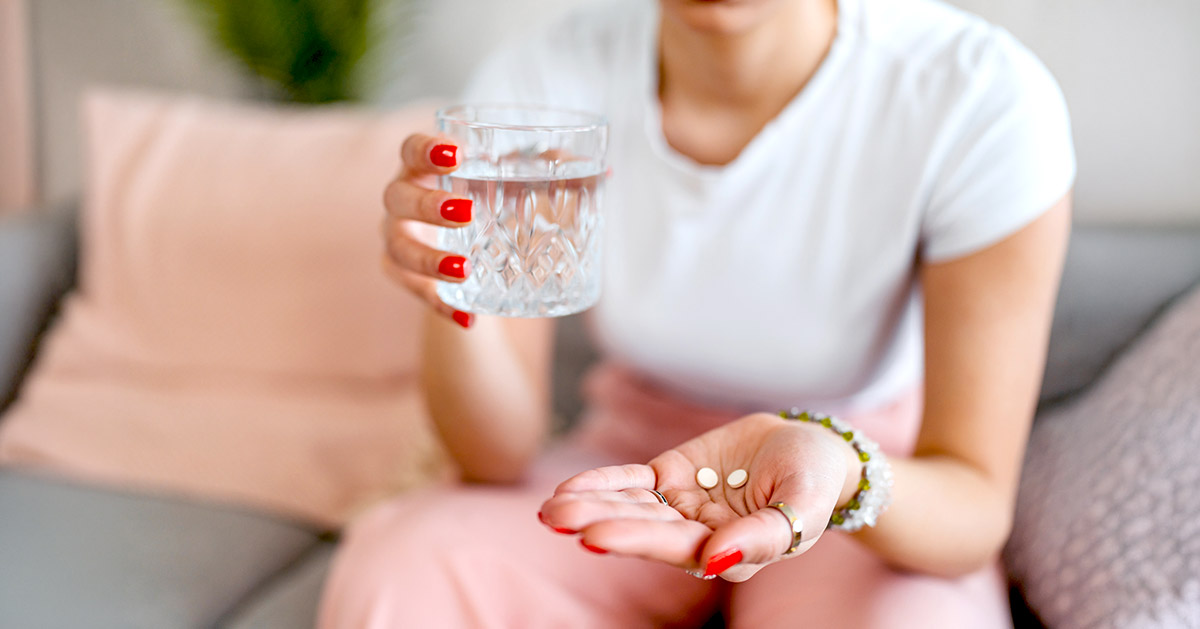

Key Takeaways
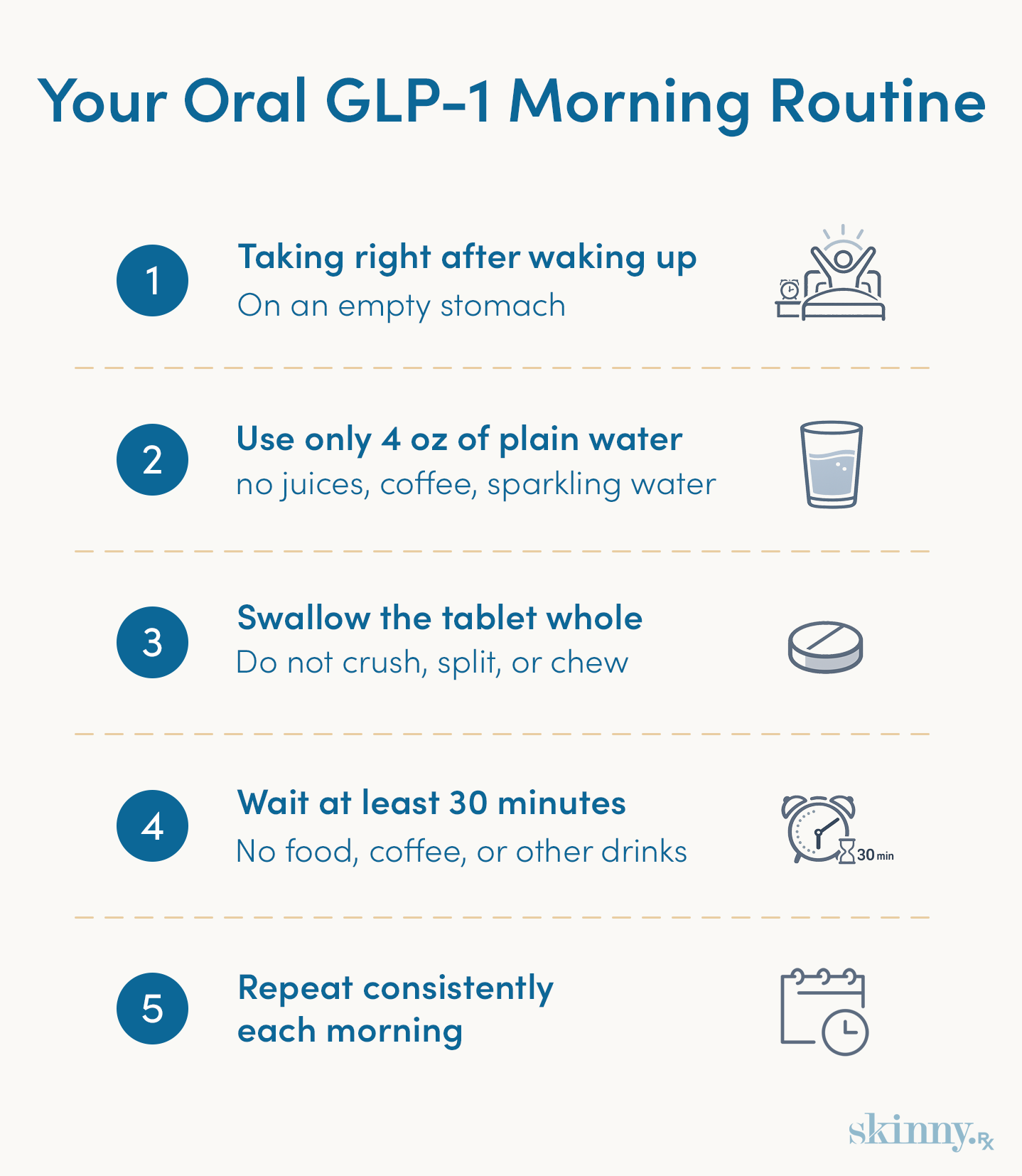
- Oral GLP-1 pills like semaglutide work best when taken right after waking on an empty stomach with no more than 4 oz of water, then waiting at least 30 minutes before food or drinks.
- Absorption is more fragile than injections, so timing and consistency matter more with daily oral dosing.
- Coffee, extra water, eating too soon, or crushing the tablet can reduce absorption and make the dose less effective.
- A consistent morning system (same time, same steps) helps prevent missed doses and improves results over time.
- Side effects like nausea, reflux, constipation, or sulfur burps often improve with hydration, smaller bland meals, and avoiding heavy, spicy, or sulfur-rich foods.
With the introduction of oral GLP-1s (short for glucagon-like peptide-1), there’s now a convenient, needle-free option for weight loss and type 2 diabetes management. The Wegovy pill has been FDA-approved for weight loss, while Rybelsus is approved for type 2 diabetes.
If you’ve been prescribed a weight loss medication or have been reading up on oral GLP-1s, you may be wondering how these options differ from the long-used injections.
Below, we’ve covered everything you need to know about how to use oral GLP-1s effectively, from how they work to the steps for a perfect morning routine.
The Science of the Swallow: Why Oral GLP-1s are Different
One of the first questions you may have about oral GLP-1 pills is how they differ from the injection pens.
There are a few key differences between these two modes of medication that are especially important to remember if you’re prescribed either one.
One difference of oral GLP-1s is how they’re administered. Beyond the obvious fact that one type of weight loss drug you self-inject and the other you swallow, timing is also important when taking an oral medication, more of which we’ll cover in how and when to take it.
Another difference is convenience. A pill is easier to swallow (pun intended) and eliminates needle anxiety. Weight loss injections often require refrigeration and always a sharps container to properly and cleanly dispose of the used needle.
One major difference between the two types of GLP-1s is dosage. While standard injection dosages are 2.4 mg a week (a maintenance dose for Wegovy), oral doses are much higher — 25 mg a day — to contend with stomach absorption, a matter we’ll get into below.
The SNAC Technology: Your Pill’s Protective Shield
There’s also a difference between the method of oral vs injectable absorption.
GLP-1 medications work by mimicking the GLP-1 hormone our bodies naturally produce when we eat. This hormone stimulates insulin production and releases blood sugar, which is how the medications are effective for people with type 2 diabetes.
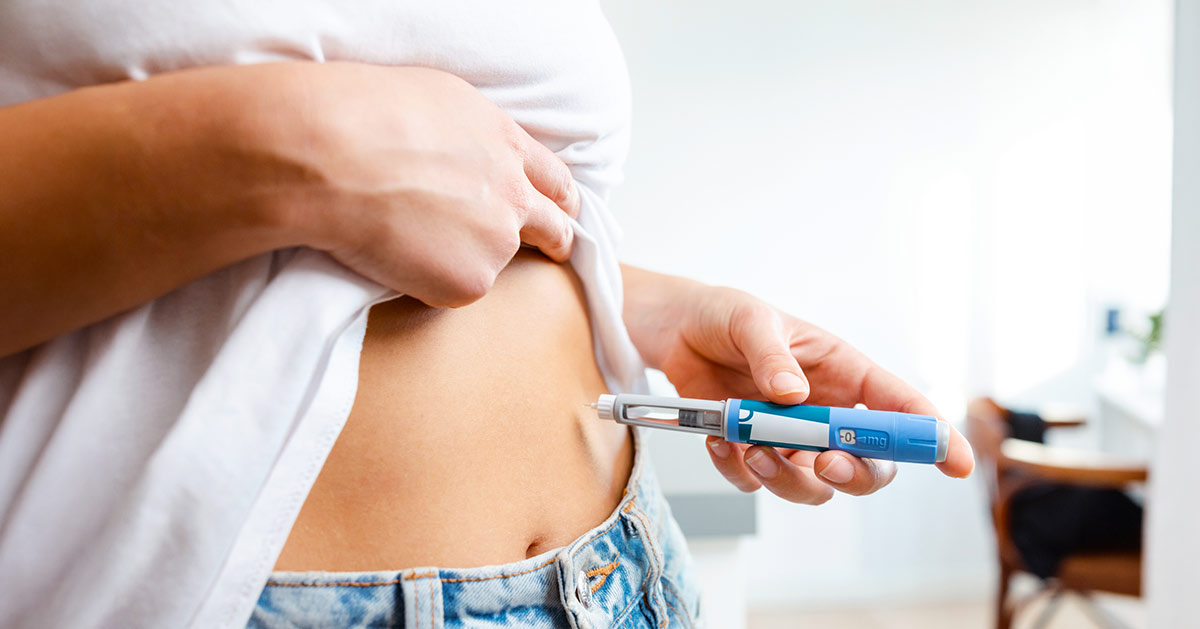
The pen versions of GLP-1s are delivered via subcutaneous injections — meaning they are injected into the fatty tissue layer just below the skin, typically in the abdomen, thigh, or upper arm.
This method bypasses the digestive system, which allows for fast absorption and reaching peak concentration within hours.
Meanwhile, the oral version of GLP-1 medication has been trickier to develop due to how the stomach breaks down food.
GLP-1s are peptides, or short chains of amino acids that the body treats like food. These peptides are broken down by stomach acid and digestive enzymes before they reach the bloodstream, which negatively impacts the amount your body can absorb.
So how does the oral version of the medication get past this roadblock?
Enter SNAC technology, the pill’s protective shield or bodyguard. A synthetic N-acylated amino acid derivative of salicylic acid, this provides the medicine with an invisibility cloak to get some of the medication past the stomach’s defenses.
When the pill reaches the stomach, the pH is temporarily raised to prevent the medication from being broken down too quickly. Despite the SNAC shielding, absorption is only a small fraction of the injectable, so the dose is increased to make up the difference.
Explore GLP-1 Weight Loss Treatment
SkinnyRx connects you with licensed clinicians for GLP-1 weight loss treatment, including oral semaglutide and tirzepatide. Take a quick assessment to see what may be right for you.
The Perfect Morning Routine: A Step-by-Step Protocol
If you’ve been prescribed a Wegovy or Rybelsus oral drug, you may need to reconsider your morning routine.
To get the best results from an oral GLP-1, there are a few steps to remember, especially considering the differences between the injectable version.
Below, we’ve provided a step-by-step protocol for a perfect Wegovy or Rybelsus morning routine.
Step 1: The "First Wake-Up" Dose
One of the first steps of taking an oral GLP-1 is to take the medication when you first wake up on an empty stomach.
Unlike injections, which can be given at any time, there are fairly strict oral GLP-1 fasting requirements.
Clinical trials have shown the medication works best after you haven’t had any food or beverages for at least six hours.
This is because of how the SNAC technology temporarily changes the stomach’s pH to allow for absorption.
Step 2: The 4-Ounce Water Limit (And Why It Matters)
While food is not recommended, some water is allowed — but only in a small amount.
No more than 4 ounces of water is recommended with oral GLP-1s. Not following the Rybelsus 4 oz water rule and drinking more can reduce the medication’s absorption.
You should also wait at least 30 minutes before drinking more water or other beverages.
Step 3: The 30-Minute Fasting Window
Just as you shouldn’t eat or drink anything before taking the medication, you should also wait at least 30 minutes or up to two hours after taking an oral GLP-1 before eating.
Again, this is to ensure the medication is properly absorbed.
If you eat too soon after taking the medication, food can surround it and prevent the drug from touching the stomach lining and working the way it needs to. Otherwise, the drug is just digested and doesn’t work.
Another crucial step to remember is consistency. Taking the medication every day as prescribed and following the morning routine listed above can affect how the medication works.
Whether you’re switching from a once-weekly injection to a daily pill or simply need help remembering a new once-daily medication, some tips you can use include:
- Habit-stack, or add your new habit (taking your oral GLP-1 tablet) either before or after an existing one (making your bed)
- Keep the medication in a visible, high-traffic place
- Leave a note by the door or medicine cabinet
- Set a daily alarm on your phone

With oral GLP-1s, execution matters. This isn’t a ‘take it whenever’ medication — it’s a precision therapy. When patients follow the fasting window, water limits, and timing guidelines carefully, they give the drug the opportunity to work at its full potential.
–
Dr. Sajad Zalzala, MD, SkinnyRx Medical Director
Common Mistakes That Ruin Absorption
The above tips for a new morning routine while taking an oral GLP-1 pill can help you adjust to the medication and ensure it works properly.
But there are a few other common mistakes that can also ruin absorption.
The Coffee Trap: Why Caffeine Must Wait
Put down the joe — or at least wait a bit before downing your first cup.
As recommended above, it’s best to take your dose of oral GLP-1 on an empty stomach for the best absorption.
While it can initially be heartbreaking to have to wait, taking oral semaglutide with coffee could also worsen gastrointestinal side effects, such as severe nausea, acid reflux, and vomiting.
Whether in the form of an oral medication or an injection, GLP-1s still work by slowing gastric emptying to help you feel fuller sooner and longer, making you likely to eat less.
Meanwhile, caffeine is usually absorbed quickly in the stomach and small intestine. Coffee has also been linked to increased stomach acid, which could impact how an oral GLP-1 is absorbed.
And although caffeine consumed in moderation may not be dehydrating, too much coffee can be. This, combined with the side effects of oral Wegovy or Rybelsus, like vomiting or diarrhea, could result in dehydration.
Splitting or Crushing: Why You Must Swallow the Tablet Whole
While an effective barrier, the SNAC technology that protects oral GLP-1s is delicate. Splitting, chewing, or crushing the tablet also breaks down this barrier, making the drug less effective.
Taking the tablet whole also ensures proper absorption thanks to the drug's bioavailability, or the extent to which an active ingredient is absorbed, enters the bloodstream, and reaches the site of action in the body to produce an effect.
Oral GLP-1s have low bioavailability, around 0.4 to 1 percent, meaning the tablet needs to remain intact to navigate the stomach efficiently.
Explore GLP-1 Weight Loss Treatment
SkinnyRx connects you with licensed clinicians for GLP-1 weight loss treatment, including oral semaglutide and tirzepatide. Take a quick assessment to see what may be right for you.
Blister Pack Basics: Protection from Humidity
Another way to ensure oral GLP-1 tablets work properly? Keeping them in their original packaging.
These medications, among others, often come in blister packs for multiple reasons.
One is to reduce the risk of missing a dose of oral GLP-1 or doubling up on a dose, since each pack corresponds to one dose.
This packaging also protects the medication from environmental factors like moisture, heat, or light, which can affect its effectiveness.
A drug’s packaging can also affect its shelf life and the chemical stability of the medication.
Coordinating with Other Medications
As with starting any new medication, you should always talk to your healthcare provider about any other drugs you’re currently taking.
Certain medications can interact with GLP-1's absorption or may interfere with your new morning routine.
Thyroid Meds and PPIs: Managing the Morning "Traffic Jam"
Both thyroid medications and proton pump inhibitors (PPIs, medications that significantly reduce stomach acid production) are taken first thing in the morning, 30 to 60 minutes before your first meal — essentially, the same time as a GLP-1 pill.
Since GLP-1s slow down how your stomach empties, it’s important to take the thyroid medication on an empty stomach and wait 30 to 60 minutes between each medication, as the bioavailability of either medication could be changed.
PPIs may be recommended to relieve some side effects of GLP-1s, such as heartburn and acid reflux, but only for a short time.
Both medications require strict timing to ensure proper absorption, so the GLP-1 pill should be taken first on an empty stomach, then the PPI after 30 to 60 minutes.
Troubleshooting Side Effects of Daily Dosing
Adjusting from a weekly injection to a daily pill can be tough, between following a new morning routine and managing side effects.
As we mentioned briefly above, some side effects you may experience on a GLP-1 are:
- Nausea
- Vomiting
- Constipation
- Diarrhea
- Sulfur burps or acid reflux
To manage vomiting or nausea, eat small, bland meals such as crackers, toast, and rice while your stomach adjusts.
For constipation, increase fiber intake and drink plenty of water. Staying well-hydrated will also prevent any dehydration from vomiting or diarrhea.
Avoid sulfur-rich foods, like eggs, broccoli, or garlic, and limit carbonated drinks, alcohol, and spicy foods to limit sulfur burps or the “GLP-1 bulge”.
Nausea Management When You Can't "Eat Through It"
If you’re dealing with severe nausea and can’t eat, avoid greasy, fried, or highly processed foods.
Eat slowly, stop when full, and avoid lying down immediately after eating. You can also try ginger or peppermint for relief.
Finding the Right GLP-1 Approach for You
If you’re considering GLP-1 therapy for weight loss or metabolic health, understanding how these medications work and how to take them correctly is only part of the process. The right dosing approach, formulation, and treatment plan should always be determined with medical guidance.
Through a brief online assessment, SkinnyRx physicians evaluate eligible patients and, when appropriate, prescribe treatments such as oral semaglutide or tirzepatide, helping patients move forward with a plan tailored to their health and goals.
Frequently Asked Questions

By Rachel Sacks
Contributing Author
Rachel Sacks is a New York-based contributing writer with more than a decade of experience covering a range of topics, including weight loss, mental health, sexual wellness, skincare, and more. Her work has been featured in The New York Post, Healthline, Hims & Hers, Business Insider, and other notable publications. She graduated from Miami University in Oxford, Ohio, with dual degrees in Journalism and Art History.