
 Medically Reviewed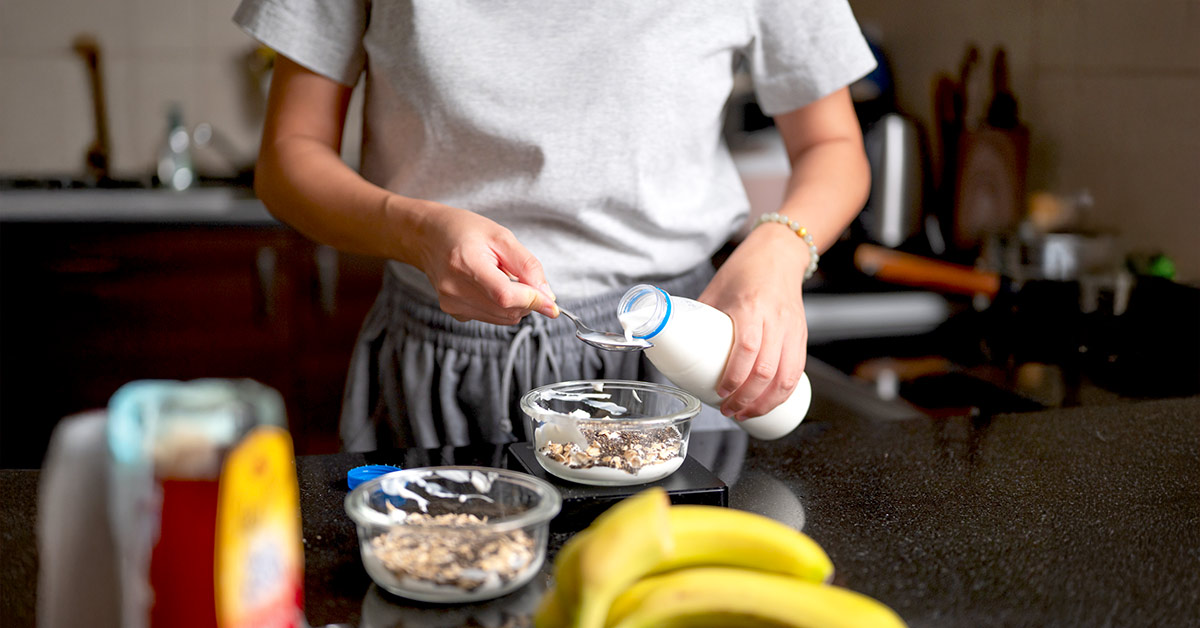

Key Takeaways
- Tirzepatide can accelerate weight loss, but prolonged calorie deficits can lead to muscle loss if protein intake and resistance training are not prioritized.
- Protein pacing spreads daily protein intake across smaller meals, making it easier for people on GLP-1 medications to meet protein needs despite reduced appetite.
- Meal frequency does not meaningfully increase metabolism, but consistent protein intake supports muscle maintenance during weight loss.
- Preserving muscle during fat loss often requires higher protein intake, typically around 1.2–2.2 grams per kilogram of body weight, depending on activity level.
- Adequate protein intake combined with regular strength training helps preserve lean muscle while continuing to lose body fat on tirzepatide.
When it comes to GLP-1s, the quantity of weight loss steals the spotlight, but it’s the quality of that weight that really matters. Tirzepatide and semaglutide can have the unfortunate side effect of potential muscle loss alongside their therapeutic effects—particularly if you’re on a long-term weight loss plan.
But, luckily, maintaining muscle while using a GLP-1 for weight loss is easier than you think. Protein pacing on tirzepatide can help delay or prevent loss of muscle, while also helping you feel fuller.
Here’s how your protein eating habits affect your goals, and what to do if you’re struggling to hit your protein goals due to the appetite-suppressing effects of your GLP-1.
The Tirzepatide Paradox: Too Much of a Good Thing?
Tirzepatide has been shown to have greater weight loss potential than semaglutide, with trial data pointing towards roughly 7% more weight lost in head-to-head trials. Beyond being able to go pound-for-pound with semaglutide, tirzepatide may also have superior effects on certain metabolic biomarkers, since it’s both a GLP and GIP agonist.
However, weight loss requires a calorie deficit. Consuming fewer nutrients (calories, protein, carbs, fat, and vitamins and minerals count too) for a long period of time carries the risk of certain deficiencies, adaptive thermogenesis, and the loss of valuable muscle tissue.
Put simply: The longer you spend in a steep calorie deficit, the higher the chances are of that weight loss coming from more than just body fat. That’s why it’s so important to take preventative measures, such as increasing and pacing your protein intake.
What Is Protein Pacing?
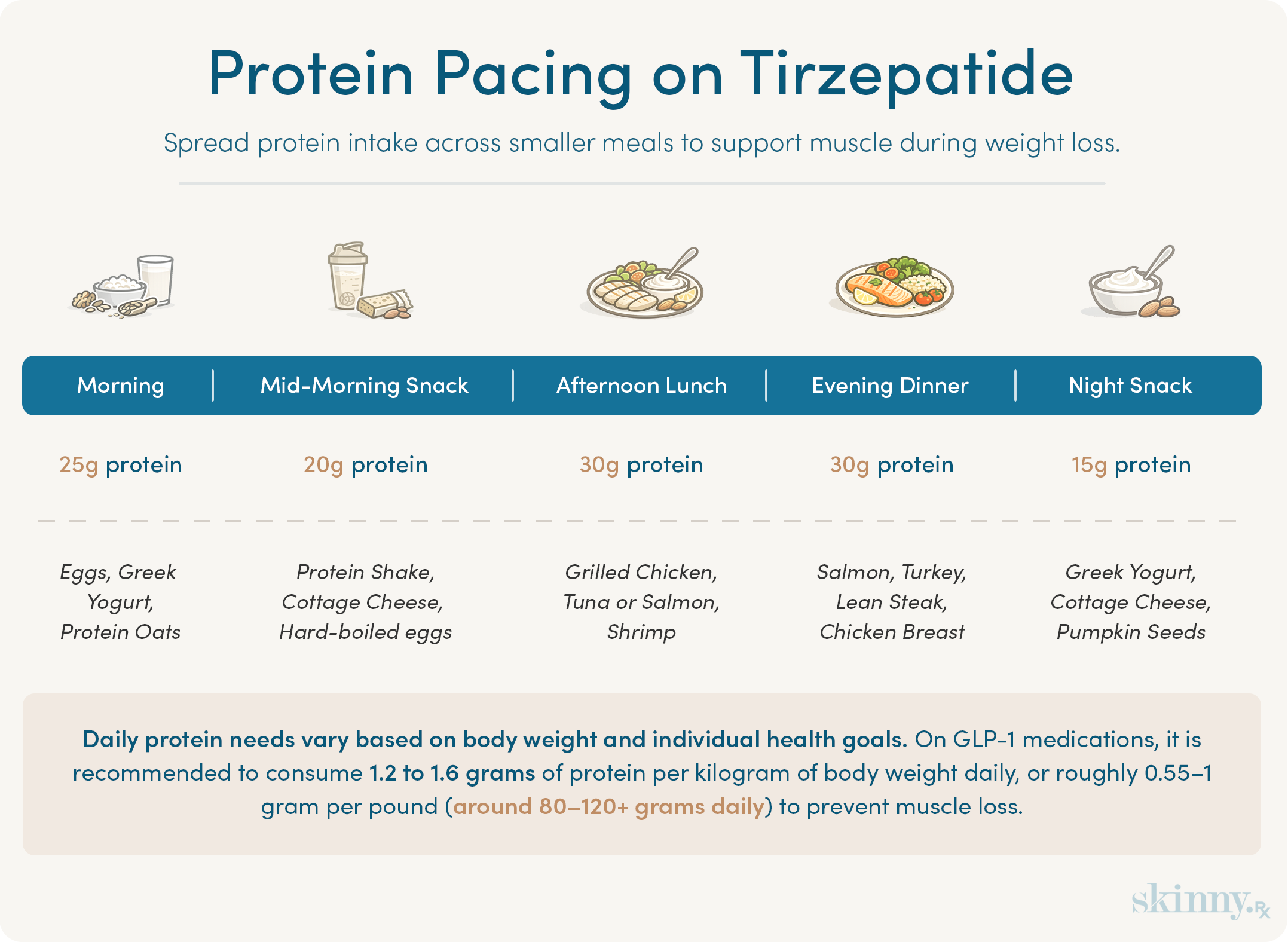
Protein pacing is the strategic allotment of your daily protein intake across multiple small meals. Research consistently shows that protein has a profound muscle-sparing effect, making it a high-priority macronutrient for dieters.
The idea behind pacing is the assumption that small, frequent doses of protein, rather than consuming massive amounts in one or two meals, stoke your metabolic furnace and improve satiety.
For those taking a GLP-1 for weight loss, undereating can be a legitimate issue. Strategies like protein pacing can be valuable for streamlining nutrition, ensuring you hit your quotas. But when it comes to protein pacing & metabolism, there are a few popular myths to dispel.
Protein & Metabolism: The “Stoke the Furnace” Myth
There is no compelling evidence that meal frequency (protein pacing) has a substantive impact on metabolic rate. This myth propagated in the 2000s, based on the factual information that eating and digesting food burns calories—protein in particular has a high “thermic effect.”
Hence, if you ate 100 grams of protein in 10-gram increments, rather than two 50-gram doses, you’d theoretically kindle the metabolic flame more often. On paper, it makes sense. In reality, large data sets consistently show that frequent eaters lose comparable amounts of weight to those who gorge on large meals, as long as a calorie deficit is upheld.
Similarly, it’s commonly parroted that the body can only utilize so much protein at once. The “30-gram rule” doesn’t hold water against contemporary nutritional science, either; recent studies tell us that even 100 grams of protein ingested in a single sitting will be partitioned eventually.
It’s worth acknowledging that conflicting data does exist. But the broad evidence-based consensus is that you can’t “hack” your metabolism by turning 3 meals into 6 snacks.
Protein Pacing: The Real Benefit
If protein isn’t metabolic kerosene, what’s the benefit of protein pacing on tirzepatide? Dividing your total daily protein requirements across multiple meals is still a good idea, but the justification has less to do with maximizing calorie burn and more with combating the practical pitfalls of long-term GLP-1 use.
- Appetite suppression is the primary mechanism behind GLP-1 weight loss. It can be daunting to have to sit down to a full plate.
- GLP-1s may also change your palate, causing previously enjoyable dishes to be unappetizing.
Protein pacing on tirzepatide can make these problems more manageable. But to pace your protein intake, you need to have an idea of how much you should be consuming in the first place—and what foods to go for.
Guided GLP-1 Weight Loss
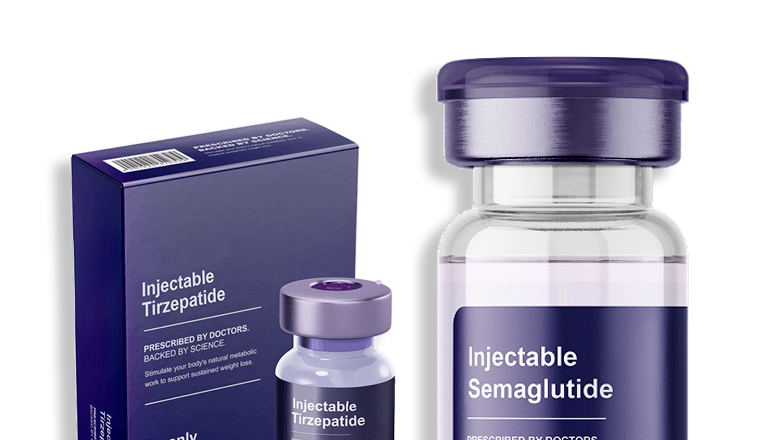
Losing weight with the right guidance and support can make the process far more sustainable. SkinnyRx provides doctor-prescribed GLP-1 treatments like semaglutide and tirzepatide, along with clinical support designed to help you succeed.
The Tirzepatide Protein Pacing Protocol
Protein pacing on tirzepatide is your nutritional insurance policy. It’s how you guarantee you’re eating enough to safeguard muscle mass while you continue to lose body fat. For optimizing body composition, attention to detail is crucial.
Calculating Your Daily Protein Target
There are multiple valid benchmarks for protein intake. That said, the exact number is completely unique to you, contingent on several factors.
- In the United States, the official recommended daily intake for dietary protein is 0.8 grams per kilogram, or 0.36 grams per pound of body weight, for adults.
- Studies show that slightly higher protein intakes of 1.2 to 1.76 grams of protein per kilogram of body weight can help maintain muscle, especially for the elderly.
- If you exercise regularly, particularly if you lift weights, you can benefit from 1.6 to 2.2 grams per kilogram per day.
Other popular rules of thumb include going for one gram per kilogram of body weight or one gram per centimeter of height.
Why the large ranges? Clinical assessments are imperfect. Ranges are presented to contextualize data sets in a digestible manner, but there’s variance in every finding.
Moreover, muscle protein synthesis—stimulating muscular growth and repair, either via exercise or food—isn’t a light switch. It’s more like a dial you can turn up or down; in the same way, you don’t need to turn on every light in the house to see, you also don’t need to have an exact, to-the-gram protein intake.
Mild fluctuations will occur, just try to shoot for the upper end of whatever range you’re aiming at.
Protein Sources on Tirzepatide
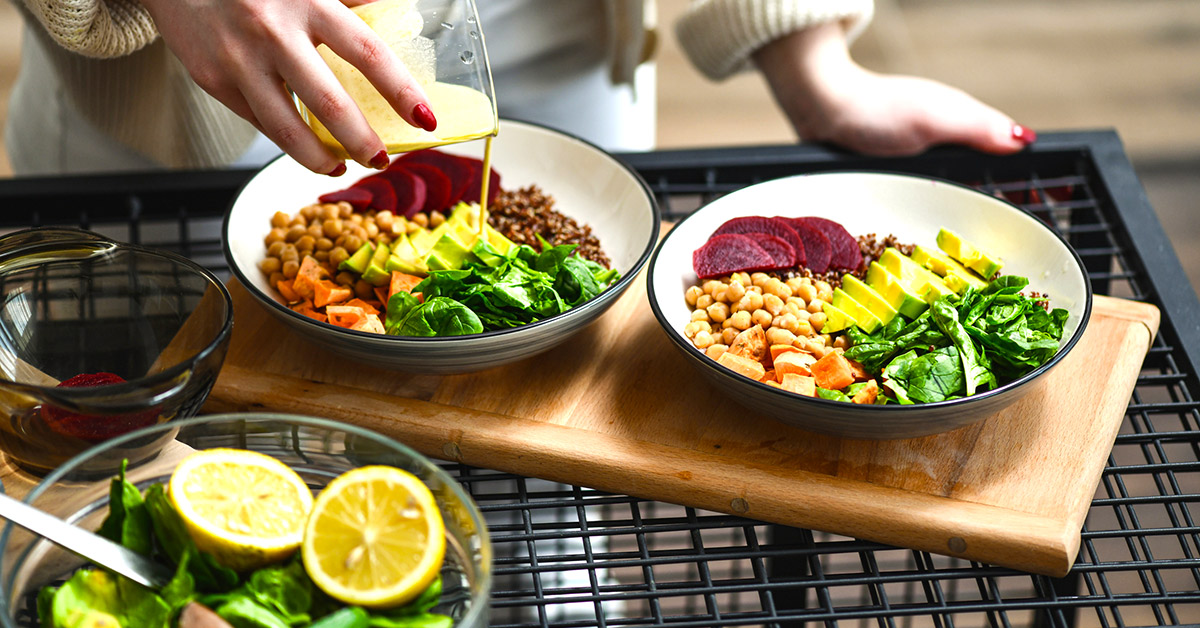
Not all protein sources are created equal. Meat, fish, and dairy typically have more complete and absorbent amino acid profiles. When possible, aim for whole-food protein sources with minimal processing, such as:
- Chicken
- Steak
- Fish
- Shrimp
- Eggs
- Milk
However, that’s not to say alternative protein sources on tirzepatide won’t work just fine. Non-animal sources that may be more tolerable digestively include:
- Beans
- Lentils
- Quinoa
- Tofu
- Granola
- Pumpkin seeds
In a perfect world, your diet would consist entirely of whole-food, unprocessed, complete protein sources. But in the real world, consistently getting near your daily intake target is what really matters.
If practicality is a concern, you can also try protein powder supplements, which come from both plant and animal sources. Despite their reputation, powders are perfectly safe to consume, providing a high dose of usually complete protein with minimal to no prep.
Protein Pacing Tips on Tirzepatide
Beyond protein quotas and sourcing, here are some protein tips you can incorporate if you’re using tirzepatide and struggling to get food down. Remember—a daily protein target can be daunting, but you can work towards it across as many meals as you like.
Small Meals
One of the ways tirzepatide assists weight loss is through delaying gastric emptying. Food stays in your stomach longer, making you feel fuller during and after meals.
As such, it pays to break large meals down into smaller snacks if you’re struggling to clean your plate. Protein-laden foods can sometimes taste different to those on GLP-1s. Smaller meals or a short break halfway through a meal can help prevent an aversion to protein from becoming overwhelming.
Liquid Assets
Typical weight loss advice suggests not drinking your calories while you’re on a diet, since liquid calories aren’t nearly as satiating as whole foods. But if satiety isn’t a concern, liquid calories, especially drinks with protein, are a shortcut to hitting your daily target. Think protein shakes, whole milk, or, if you’re brave enough, egg whites.
Get Sneaky
There’s no reason protein intake needs to be boring or flavorless. If you’re having trouble getting your protein in on tirzepatide, the last thing you probably want to do is sit down to a large, unseasoned chicken breast.
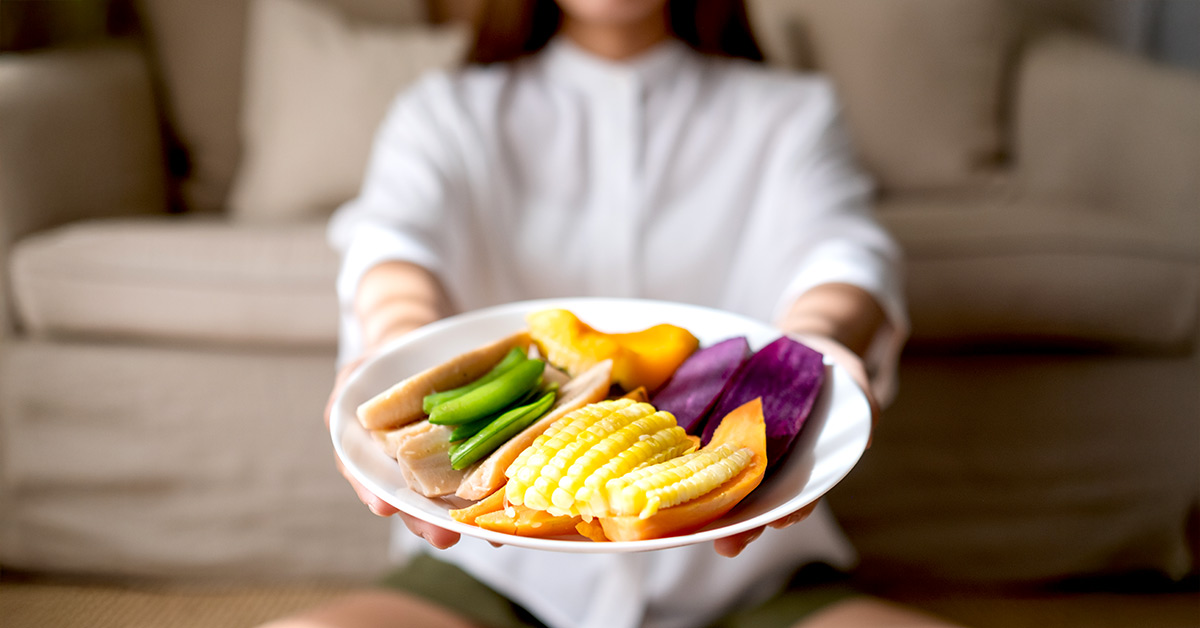
Consider mixing whole-food protein sources, like chicken, steak, or fish, into other dishes alongside vegetables and carbs. You can also crack a few eggs into many dishes to enhance texture and get some extra protein to boot.
Strength Training To Preserve Muscle on Tirzepatide
Protein and exercise have a synergistic effect, which is why it’s so important to maintain good physical activity habits while you’re on a GLP-1. In simple terms, your skeletal muscles have a “use it or lose it” policy—if you don’t challenge your muscles on a regular basis, your body is more likely to break them down for energy.
Dietary protein is essential for rebuilding damaged muscle tissue after a bout of resistance training. Eating hearty portions of protein also provides a “signal boost” to muscle protein synthesis. You don’t need to become a full-fledged gym rat, but two weekly sessions of strength training can go a long way toward ensuring your muscles don’t wither while you lose fat.
Supporting Sustainable Weight Loss on Tirzepatide
Tirzepatide can be a powerful tool for weight loss, but maintaining muscle and overall health requires thoughtful nutrition. Spreading your protein intake across the day can make it easier to meet your needs while appetite is reduced, helping ensure that more of the weight you lose comes from body fat rather than valuable lean muscle.
If you’re considering GLP-1 treatment as part of your weight loss journey, you can start by taking SkinnyRx’s short online assessment to explore your options and access doctor-guided treatment with ongoing support.
Frequently Asked Questions

By Jake Dickson, NASM-CPT, USAW-L2
Contributing Author
Jake holds a B.S. in Exercise Science from UNC Wilmington and began his career as a personal trainer and weightlifting coach. In recent years, he’s moved behind the page as a writer and editor, contributing hundreds of articles and being featured as a subject matter expert. Today, Jake’s goal remains the same: to empower people to change their lives by bringing heady scientific topics down to ground level.