
 Medically Reviewed

Key Takeaways
- Compounded semaglutide should be discarded based on its beyond-use date (BUD), which is often 28 days after first use, not the printed expiration date.
- Name-brand Ozempic lasts longer after opening (up to 56 days) due to its proprietary formulation, whereas compounded versions typically lose stability over time.
- Injectable semaglutide degrades over time because peptides break down, increasing contamination risk, even when stored properly.
- Proper storage, including refrigeration, protection from light, and avoiding freezing, is essential to preserve safety and effectiveness.
- Using semaglutide beyond its discard date may reduce its effectiveness for weight loss and increase the risk of side effects, even if the vial appears normal.
Compounded semaglutide may help individuals lose weight and better control their blood sugar. But like any major change, it comes with a few logistical questions, including ones about its expiration date. Turns out, the one written on the drug package is only valid if left unopened. So, what exactly is compounded semaglutide’s shelf life once opened?
After the first injection, follow the beyond-use date (BUD) on the package. Many have a BUD of 28 days, but not all do, so check that date. This means that an injectable version of compounded semaglutide can be used for up to the BUD date.
This differs from the guidelines for brand-name options, such as Ozempic and Wegovy. No matter what form of semaglutide you take, pay attention to the shelf life and store it properly.
The Two Timelines: Beyond-Use Date vs. Puncture Date
When it comes to semaglutide's shelf life, there are two dates to pay attention to: the beyond-use date and the puncture date. One should be stated clearly on the package, but you’ll have to track the other.
What is a Beyond-Use Date (BUD)?
The beyond-use date (BUD) is printed on the label. The FDA assigns expiration dates for FDA-approved medications, like Ozempic and Wegovy.
For compounded medications, the compounding pharmacy assigns a date based on USP standards. It's typically recommended by the FDA or compounding pharmacy to not use any medication after it, since a drug that is past its expiration date may not be safe or effective.
That said, certain medications may still be ok after their expiration date. Independent laboratories have found some drugs to be safe up to five years after their expiration date. This does not apply to peptides, which is a medication class that includes semaglutide.
Still, solid forms of semaglutide, such as Rybelsus or oral compounded semaglutide, are more likely to retain their potency after expiration. Injections are less likely.
Why the First Injection Starts a 28-Day Countdown
While the expiration date is set, it isn’t the only one to be aware of. Once open, the dates that matter are the date of your first injection and the subsequent discard date. The discard date varies, depending on the semaglutide type.
Once you’ve noted the date of first puncture for a vial, calculate how long it may last based on if it’s Ozempic (56 days after) or compounded semaglutide (often 28 days after). A vial tracking log may help and might look like:
The Science of the "28-Day Rule"
If Ozempic lasts for 56 days, why doesn’t that same timeframe apply to a compounded semaglutide vial after first use? The answer lies in how the products are made.
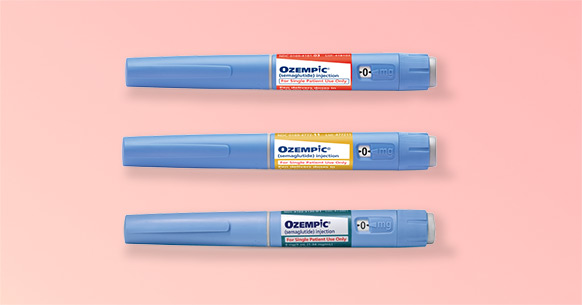
Ozempic is a brand-name injection. It uses a sophisticated, proprietary preservation system and offers air-tight delivery, which prolongs the drug’s shelf life once opened. Compounding pharmacies cannot replicate that exact blend.
Meanwhile, compounded semaglutide is a custom formulation that contains the same active ingredient, though the amount and other ingredients can vary. Generally, compounded medications are safe when made in a trusted lab, though they aren’t FDA-approved like Ozempic, Wegovy, and Rybelsus.
No matter if you’re using Ozempic or compounded semaglutide, track the discard date. The 28-day rule (or 56 days, in the case of Ozempic) is in place to preserve the efficacy and safety of the injection.
Preventing Bacterial and Fungal Contamination
Each time you use an injection, there’s a small chance that bacteria or fungi may end up on the needle. With safe injection practices in place, this chance is minimal. A healthcare provider can walk you through what those practices are. Two of the most important are:
- Don’t use the same needle for multiple people
- Only use a vial for the recommended time after opening
Peptide Stability: Why Semaglutide Breaks Down
Semaglutide medications contain peptides, which are short strings of amino acids. Over time, peptides start to break down, meaning they aren’t as effective as before. There’s also a higher risk of bacterial contamination if used after the BUD.
Storing injectable semaglutide in a fridge, as opposed to a freeze or room temperature, can help semaglutide’s peptides last longer. However, there is still a shelf-life, which is often 28 days for compounded medication in the fridge, 56 days for Ozempic.
Doctor-Guided Medical Weight Loss
Learn how prescription GLP-1 medications like semaglutide or tirzepatide may support weight loss when guided by a licensed medical provider and tailored to your health history.
Storage Checklist: Keeping Your Vial Potent
Semaglutide storage guidelines depend on the type and whether it’s opened or unopened:
The "Middle Shelf" Rule: Avoiding the Freezer and the Door
When storing semaglutide, you want to store it on the middle shelf. By this, we mean a fridge spot that’s not too close to the back of the fridge (where the evaporator usually lives) or the door, which may be more susceptible to room temperature air when opening the fridge.
While it’s important to keep semaglutide cool, you want to minimize the chance of freezing it. At the same time, you also want to prevent it from spending too much time at room temperature. That’s why it’s a good idea to give Ozempic, unopened Wegovy, or compounded semaglutide a middle shelf.
If Ozempic is left out overnight, it may be safe to continue using. That isn’t always the case for compounded semaglutide. If in doubt on either, call a pharmacist or prescribing provider to ask if it’s still safe to use.
When traveling, store semaglutide in an insulated container and keep it away from sunlight whenever possible.
Light Sensitivity: Why the Amber Vial or Box Matters
Semaglutide injections should be stored away from light (and that includes not placing it too close to the fridge light). Light exposure may break down the structure of semaglutide’s peptides, making the medication less effective and possibly less safe.
The only exception to this rule is oral semaglutide. Rybelsus’ FDA label does not mention light as a storage concern.
Can You Use It for 5 or 6 Weeks?
It is not recommended to use compounded semaglutide beyond the assigned best used by date, which might be five or six weeks after purchasing. It may be tempting to finish the vial, but ignoring the 28-day rule may increase the chance of side effects and may not be as effective.
Along with tracking how long you can use a vial based on the date of the first injection, there are a few signs that the medication is no longer good:
- It’s colored, not clear
- There are solid particles in the vial
- It’s cloudy
- The liquid in the vial has thickened
In contrast, a safe-to-use vial will be clear, colorless, and without particles. It’s also important to note that these signs do not override discard dates. Even if the liquid is clear, colorless, and without particles, it still shouldn’t be used after the assigned best used by date.
Loss of Weight Loss Efficacy
Although there aren’t specific studies that look at the effectiveness of expired semaglutide, medications aren’t typically effective after their discard date. Changes in the chemical composition and a decrease in the medications strength may mean semaglutide is no longer effective for weight loss after a certain time. Because there are no clinical trials on this, it’s important to note this loss of weight loss efficacy is entirely theoretical.
Potential Side Effects
What semaglutide can provide after the discard date is adverse side effects. The chance for compounded semaglutide’s side effects may increase as the medication ages past the BUD. Side effects may include:
How to Properly Dispose of Expired Semaglutide
Once you’re done with a semaglutide vial or if the medication has expired, dispose of it. That doesn’t mean you should throw it in the trash or anywhere where children, pets, or other people can find it. You also shouldn’t flush it down the toilet, since the vial and needle may cause damage to the plumbing.
Instead, bring it to a take-back drug collection site in your local community. If unsure where one is, contact local enforcement, who can provide resources on nearby sites. Some pharmacies may also have medicine drop-off boxes or mail-back programs.
Since semaglutide injections require a needle, the FDA recommends disposing of them in an FDA-cleared sharp disposal container. If that isn’t available, use a plastic household container that is able to close, is leak-resistant, and is made of heavy-duty plastic.
Making informed decisions about medications like semaglutide means more than just understanding storage and shelf life. At SkinnyRx, we offer doctor-guided care and access to prescribed semaglutide and tirzepatide to help ensure your weight loss plan is safe, appropriate, and tailored to your needs.
You can start with a quick assessment to explore your options and see what medically guided support might look like for you.
Frequently Asked Questions

By Angela Myers
Contributing Author
Angela Myers is a freelance health writer covering weight management, healthy aging, and nutrition. Her work has appeared in AARP, Well+Good, and Forbes, among others. Before starting her writing career, she conducted award-winning research on how to improve sexual violence prevention courses on college campuses. That research sparked a passion for health communication, and she's been writing about making healthcare accessible and inclusive ever since.