How to Transition to GLP-1 Maintenance: The Dangers of DIY Tapering

Matthew Segar

Medically Reviewed

Matthew Segar, MD

Cardiologist, Bioinformatics

Written by Rachel Sacks

Published: January 19, 2026 12 Min Read
A woman holding GLP-1 injectible pen with cap

Photo Credit: David Petrus Ibars / iStock Photo

Key Takeaways

  • Splitting semaglutide pens or self-tapering during maintenance is unsafe and can cause dosing errors, reduced effectiveness, and health risks.
  • Semaglutide pens are designed for precise, sterile dosing, and tampering increases the risk of overdose, infection, and blood sugar instability.
  • Maintenance doses can vary by patient, but any reduction should be guided by a clinician rather than done independently.
  • Spacing full doses farther apart is safer than splitting doses, as it preserves dosing accuracy and pen safety.
  • Cost concerns are common, but safer options include savings programs, assistance plans, or switching medications with medical guidance.

You’ve finally reached your weight loss goal (congrats!) and have now moved on to the maintenance phase of GLP-1 use.

Although semaglutide can support significant weight loss results — up to 15% in a year and a half when combined with healthy lifestyle habits — it also comes with a hefty price tag.

This may lead people to wonder whether they can cut costs with a few money-saving tricks by injecting a partial dose of semaglutide.

If you've found yourself searching for cost-saving semaglutide safe ways, you're not alone. Many people consider adjusting their dose due to cost, side effects, or shortages.

But the short answer is no, there is no safe way to use this method. Keep reading for why you shouldn’t practice “DIY tapering” or split semaglutide pens.

The Maintenance Dilemma: Why Patients Start "Dose Manipulating"

An FDA-approved medication, semaglutide, is prescribed to lower blood sugar in those with type 2 diabetes as well as for weight loss in people with obesity. It’s also approved for reducing heart attacks or strokes in those with diabetes or known heart disease.

Semaglutide often comes as a single-dose pen for injections that can be done at home, bringing down costs somewhat compared to paying a copay at the doctor’s office when you need your next dose.

But both the FDA and Novo Nordisk, the maker of Wegovy and Ozempic, urge against splitting injections for the reasons we’ve listed below.

The High Cost of GLP-1 Therapy (Semaglutide)

Some may think about splitting doses to make their pen last longer, especially if cost or supply problems are an issue.

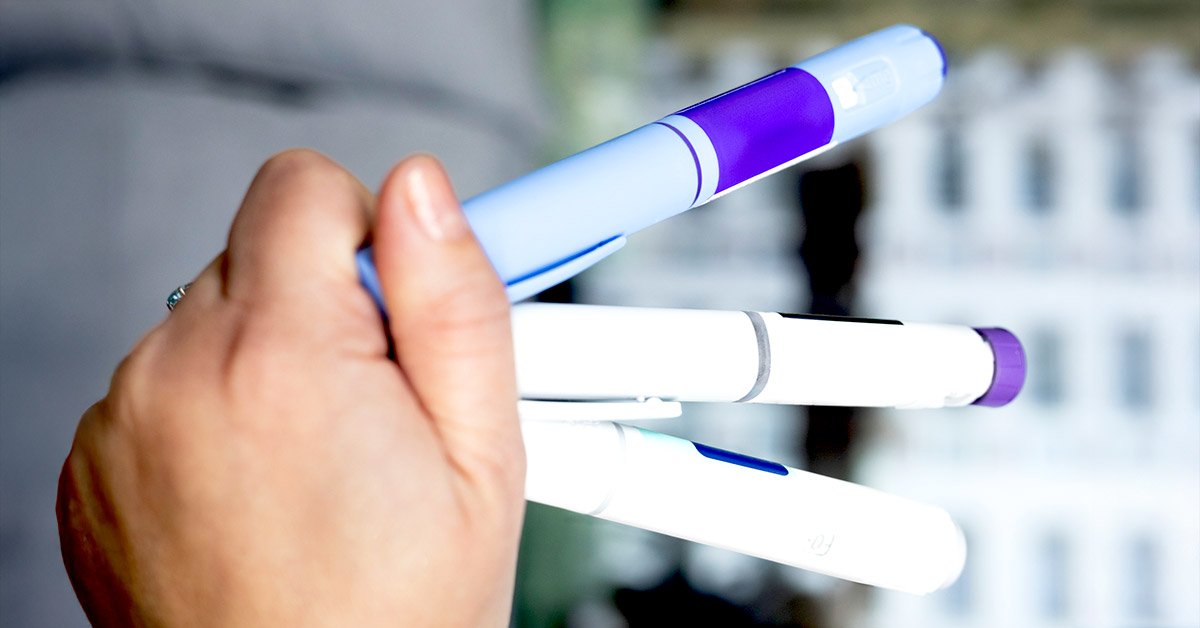
Semaglutide comes as either a single-dose pre-filled pen for weekly dosing or as multiple-dose pens for once-a-week dosing.

The average cost of a single semaglutide injection for weight loss (under the brand name Wegovy) is just over $1400 without insurance for a month of injections. Meanwhile, a month of Ozempic can cost nearly $1,000.

Why Manufacturer Doses Don't Always Align with Patient Needs

When manufacturers create the doses, they’re based on the results of clinical trials that involve multiple people.

A quick example: the largest semaglutide clinical trial involved over 17,600 adults with obesity (but not diabetes).

So while these studies are good to establish how efficient and safe the medication is on a large scale, they don’t always capture how each person will tolerate or react to the drug.

Semaglutide often comes with side effects such as nausea, vomiting, diarrhea, stomach pain, and constipation.

While these adverse effects are often mild and go away as your body adjusts to the medication dosage — usually within four to eight weeks — they can be uncomfortable and cause people to stop taking the medication.

But while some people try splitting semaglutide doses (like taking half doses twice a week) to reduce stomach side effects, the evidence behind this method is limited.

There can also be different dosage needs for different people.

The usual recommended adult dose of semaglutide for weight loss starts at a low dose of 0.25 mg and is gradually increased over several months to a maintenance dose of 1.7 mg or 2.4 mg.

This is so people can adjust to the medication, which then may be increased, depending on individual health needs and concerns.

However, some people may not need the 2.4 mg dose for a maintenance phase be able to tolerate a certain dose.

Doctor-Guided Medical Weight Loss

Doctor-Guided Medical Weight Loss

Learn how prescription GLP-1 medications like semaglutide or tirzepatide may support weight loss when guided by a licensed medical provider and tailored to your health history.

The Mechanical Risks of Maintenance "Hacks"

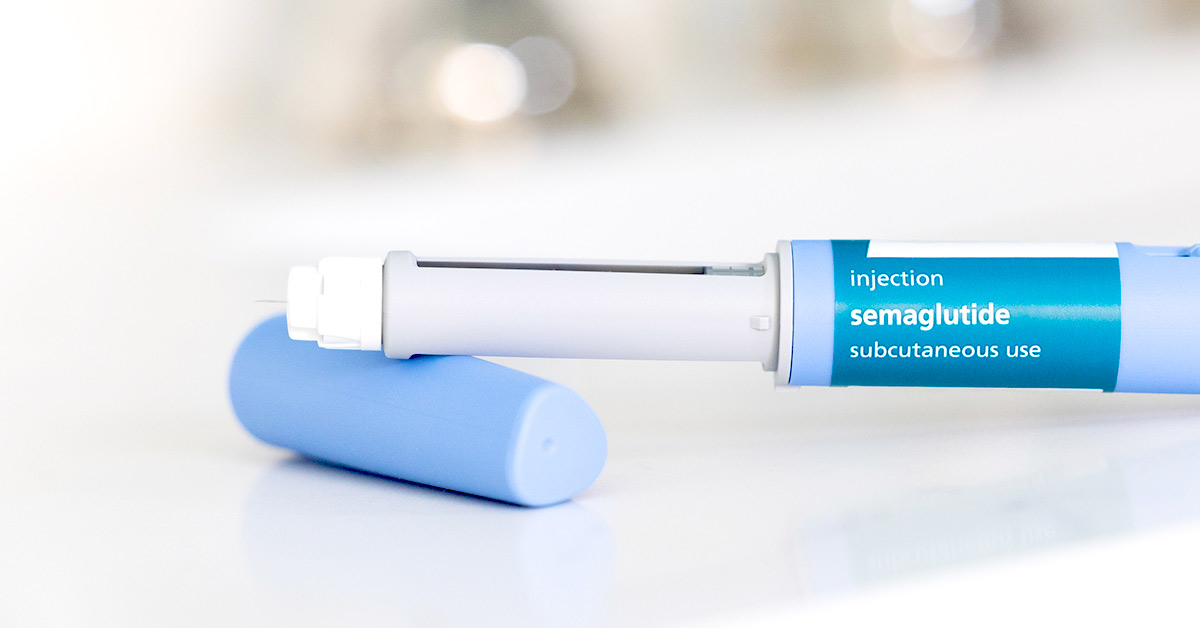
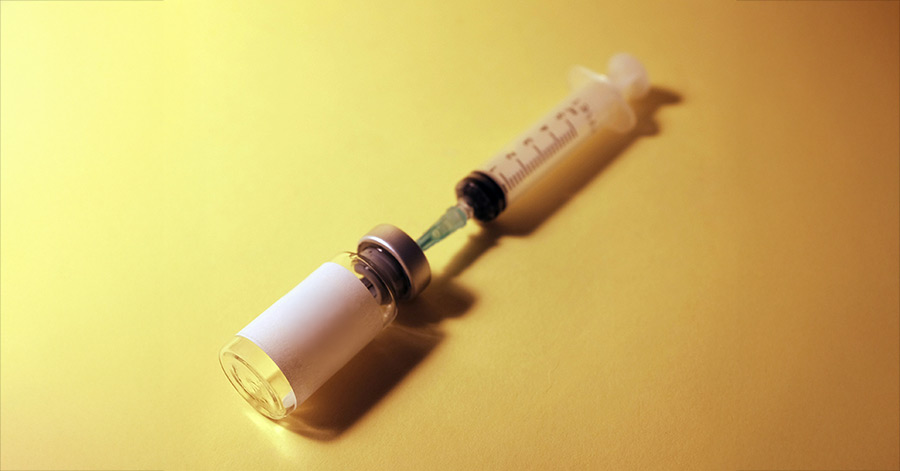
Even if you can find a way to split the medication — one way is by drawing the divided dose out of the pen with a syringe and putting it in a separate vial — you should not split semaglutide pens.

Injectable semaglutide comes in pre-filled pens designed for precise dosing, and modifying the medications can lead to inaccurate dosing and potential safety risks.

Reducing or cutting your dose in half on your own can slow progress, and it may make blood sugar harder to control as well as cause unwanted side effects.

Danger 1: Total Dose Inaccuracy

Trying to split your dose by guessing or using the number of clicks can easily lead to underdosing or overdosing, making the treatment less reliable and wasting medication.

The design of a semaglutide pen is made to deliver an accurate dose in a super-easy way.

Semaglutide pens aren’t designed to be split or adjusted manually at home, as the internal mechanism delivers each precise dose.

When you inject the medicine, you hear a “click” sound. Every “click” delivers a precise, pre-measured dose for a correct amount every time you use it.

While being able to inject the medication at home is convenient, trying to count clicks or only pushing down the needle partway to make it last longer can result in inaccurate dosing.

Not only is taking a half dose without your doctor’s guidance not safe, but reducing a semaglutide dose will likely reduce its effectiveness in controlling blood sugar, managing weight, and maximizing heart health benefits, compared to a medically recommended full dose.

There’s also an increased risk of hypoglycemia, or low blood sugar, if you’re using semaglutide for blood sugar management with type 2 diabetes, especially if you’re taking insulin or other drugs that lower blood sugar.

In some rare cases, like managing side effects or adjusting for health conditions, a lower dose of semaglutide may be needed. But this should only be done with your doctor’s guidance.

Danger 2: Compromising Sterility

One of the biggest issues with splitting semaglutide doses is that the injection needle is not sterile, which increases the risk of infection.

Semaglutide comes as a prefilled pen with multiple doses and needles, so you can reuse the pen for a month, but with a new needle each time.

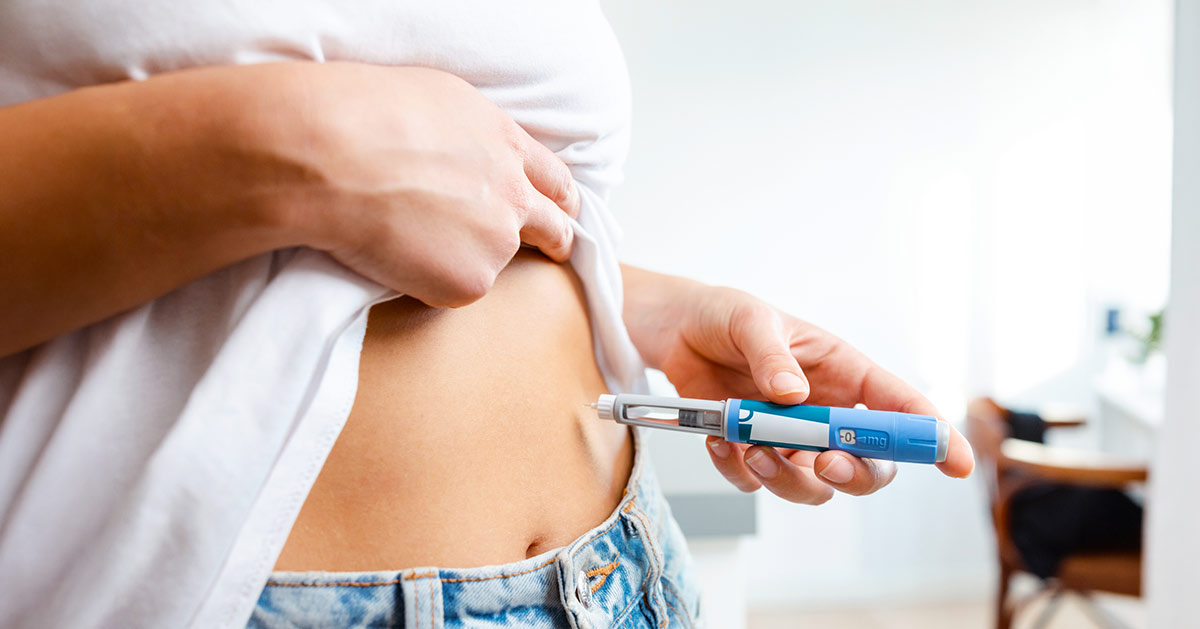
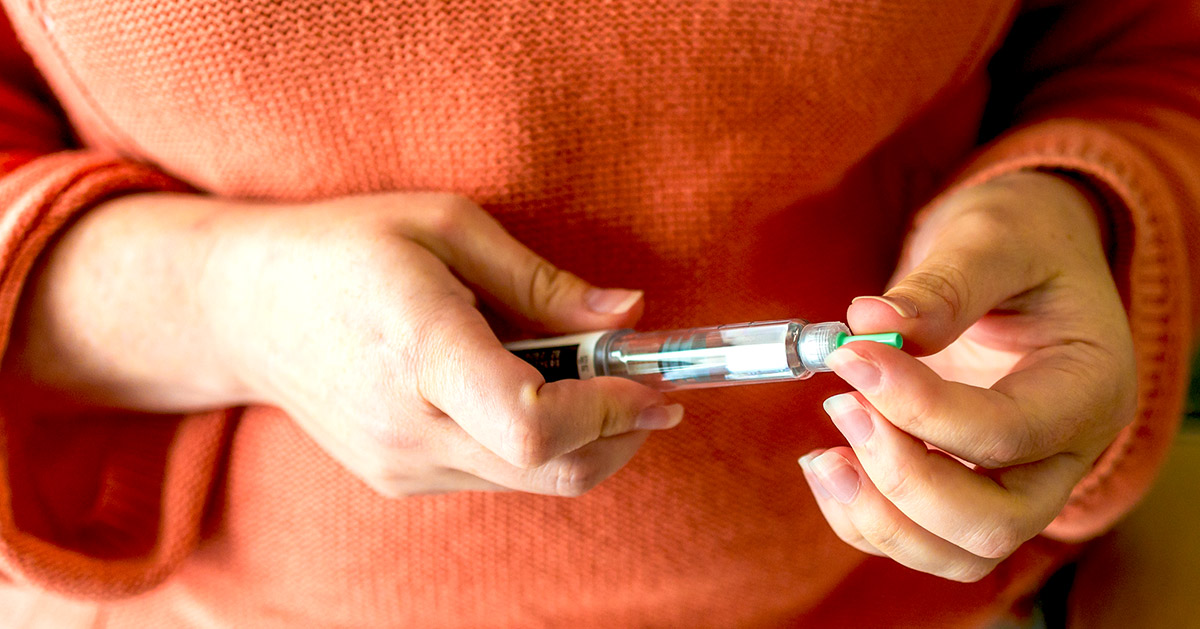
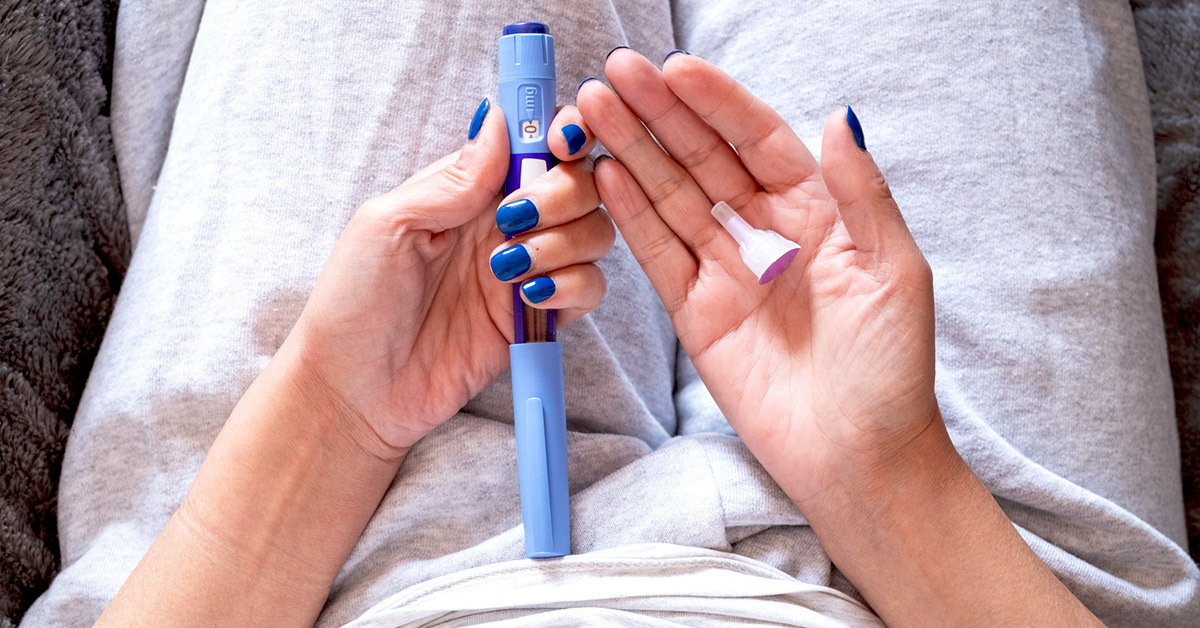
Here’s a refresher on how to correctly inject a semaglutide pen:

  • Wash your hands with soap and water, and remove the cap from the pen
  • Put a new needle on the pen (always use a new needle and don’t share needles)
  • Clean the skin where you’ll inject with an alcohol swab and let it dry completely
  • Turn the dose dial to select your prescribed dose
  • Insert the needle under your skin at the injection site
  • Press the dose button and keep it pressed until the dose counter shows 0
  • Hold the button down and leave the needle in your skin for 6 seconds to make sure you get the full dose
  • Carefully pull the needle out of your skin while still pressing the button
  • Remove the needle and throw it away safely in a sharps container
  • Put the pen cap back on and store the pen in the fridge or at room temperature

Any time the manufacturer’s design is tampered with, bacteria can enter the medication and create an opportunity for infection.

Spacing vs. Splitting: Which Tapering Method is Best?

There are two methods of tapering a medication: spacing versus splitting.

Infographic comparing GLP-1 maintenance approaches, showing spaced full doses as safer versus pen splitting, which carries risks of inaccurate dosing, contamination, and overdose.

The Spacing Method (The Safer Alternative)

While it may be tempting to “split” your dose every seven days, this method can mess with the pen’s integrity.

Doctors recommend the spacing method to extend the intervals between injections and take a full, sterile dose every 10, 14, or even 21 days.

This process is also referred to as titration, a gradual, step-by-step increase in dosage designed to help the body adjust to the medication and minimize side effects like nausea or vomiting.

The dosage can differ slightly if you’re taking Ozempic or Wegovy, but it’s generally broken down like:

  • 0.25 mg once weekly for 4 weeks: This is supposed to help your body adjust and reduce the risk of severe side effects
  • 0.5 mg once weekly for 3 to 4 weeks: The next dose should start improving blood sugar and weight management
  • 1 mg, 1.7 mg, or 2.4 mg once weekly: This is considered a maintenance dose if further blood sugar control or weight loss is needed

The Splitting Method (The Risk)

To receive the full benefits of semaglutide for weight loss, blood sugar, and heart health, the correct, full dose must be administered. Inconsistent dosing can cause reduced effects, not to mention potential harmful reactions.

One method of splitting the dose is by injecting it into a vial and then using a separate needle to draw out the amount for the next dose.

Doing this makes it more difficult to extract a full dose, providing you with more or less than your prescribed dosage, which could lead to accidental overdose.

A semaglutide overdose can cause severe gastrointestinal issues like nausea and vomiting, and dangerously low blood sugar, which may result in hospitalization. Last year alone saw a 15-fold increase in poison control calls related to semaglutide dosing.

Meanwhile, taking less than your prescribed dose can result in symptoms like increased appetite, weight regain, higher blood sugar, possible headaches, fatigue, or gastrointestinal discomfort.

However, using the pens as directed is safe, effective, and leaves less room for error, as research shows.

Doctor-Guided Medical Weight Loss

Doctor-Guided Medical Weight Loss

Learn how prescription GLP-1 medications like semaglutide or tirzepatide may support weight loss when guided by a licensed medical provider and tailored to your health history.

Practical Steps for a Safe Transition

Due to prices, it’s understandable to want to save money wherever you can on semaglutide injections.

And while the potential risks of splitting injections heavily outweigh the savings, there are some cost-saving semaglutide safe ways.

Safe and Approved Strategies for Cost Savings

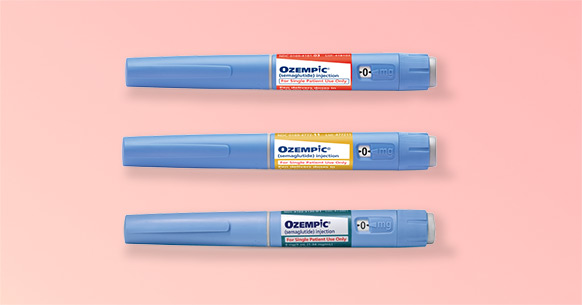
Coupons aren’t just for the grocery store — Novo Nordisk offers savings programs for both Ozempic and Wegovy.

Some eligibility requirements need to be met to qualify, such as using the medication for an FDA-approved condition. But if you meet the requirements, your prescription's monthly cost could be reduced.

Patience assistance programs also help people get medications at reduced or no cost through manufacturers, charities, or state programs.

Considering Generics or Alternative Medications

If you’re still considering splitting doses to cut costs or manage side effects, a safer alternative is to discuss generic or alternative medications, like compounded drugs, with your doctor.

Generic drugs are chemically identical to brand-name drugs. So in this case, Ozempic and Wegovy (the brand names) both contain the active ingredient semaglutide.

Generic medications also work the same way and are approved by the FDA, but are often cheaper than their brand-name counterparts.

But there is no generic semaglutide currently available.

Meanwhile, compounded medications (customized versions of the drug created by specialized pharmacies) are not FDA-approved and haven’t gone through the same safety testing.

Alternative medications that work somewhat similarly to semaglutide include tirzepatide (under the brand names Zepbound and Mounjaro) or liraglutide (sold as Saxenda).

Weight loss and maintenance work best when decisions are made with medical guidance, not guesswork. At SkinnyRx, we provide doctor-guided care and access to science-based medications like semaglutide and tirzepatide, helping ensure safety, clarity, and long-term support throughout the weight loss process. Start by taking a brief assessment to learn which doctor-guided options may be appropriate for you.

Frequently Asked Questions

Yes, it is possible to stay on a 0.5mg maintenance semaglutide dose if you’ve discussed it with your doctor.


Skipping a weekly dose during the maintenance phase to save money could lead to a hormonal rollercoaster and increase “food noise”, leading to yo-yo dieting and weight gain.


If cost is an issue, you can discuss your health goals with your doctor about switching to a cheaper GLP-1.


 No, as reusing a needle causes it to pick up bacteria, become weaker and break, or become duller and make injections more painful.


No, drawing the dose out of the pen can, and then pulling it from a separate syringe, can alter the next dose.


You can start with the manufacturer of Wegovy, Novo Nordisk, talk to your doctor for support through NovoCare, or try resources like PAN Foundation.


Yes, incorrectly splitting a semaglutide dose could lead to an overdose, resulting in severe nausea or vomiting or dangerously low blood sugar.


  1. Wilding JPH, Batterham RL, Calanna S, Davies M, Van Gaal LF, Lingvay I et al. Once-weekly semaglutide in adults with overweight or obesity. N Engl J Med. 2021 Mar 18;384(11):989-1002. doi:10.1056/NEJMoa2032183. Epub 2021 Feb 10: https://www.nejm.org/doi/full/10.1056/NEJMoa2032183
  2. OZEMPIC (semaglutide) injection, for subcutaneous use: prescribing information [Internet]. Silver Spring (MD): U.S. Food and Drug Administration; revised 2023 Sep [cited 2026 Jan 19]. Available from: https://www.accessdata.fda.gov/drugsatfda_docs/label/2023/209637s020s021lbl.pdf
  3. Novo Nordisk announces updates to U.S. labeling for Wegovy® (semaglutide) injection 2.4 mg [Internet]. Plainsboro (NJ): Novo Nordisk Inc.; 2025 Jan 28 [cited 2026 Jan 19]. Available from: https://www.novonordisk-us.com/media/news-archive/news-details.html?id=915253
  4. FDA alerts health care providers, compounders and patients of dosing errors associated with compounded injectable semaglutide products [Internet]. Silver Spring (MD): U.S. Food and Drug Administration; [cited 2026 Jan 19]. Available from: https://www.fda.gov/drugs/human-drug-compounding/fda-alerts-health-care-providers-compounders-and-patients-dosing-errors-associated-compounded
  5. Semaglutide Patient Safety Updates [Internet]. Plainsboro (NJ): Novo Nordisk Inc.; [cited 2026 Jan 19]. Available from: https://www.novomedlink.com/semaglutide/patient-safety.html
  6. Anderson LA. Drugs.com; How much does semaglutide cost? [Internet]. Last updated 2026 Jan 10 [cited 2026 Jan 19]. Available from: https://www.drugs.com/medical-answers/how-semaglutide-cost-3576795/
  7. Ozempic® (semaglutide) injection 0.5 mg, 1 mg, 2 mg List Price & Insurance Coverage Explained [Internet]. Plainsboro (NJ): Novo Nordisk Inc.; [cited 2026 Jan 18]. Available from: https://www.novocare.com/diabetes/products/ozempic/explaining-list-price.html
  8. Kushner RF, Ryan DH, Deanfield J, Kokkinos A, Cercato C, Wilding J et al. Safety profile of semaglutide versus placebo in the SELECT study: a randomized controlled trial. Obesity (Silver Spring). 2025 Feb 13;33(3):452-462. doi:10.1002/oby.24222: https://pmc.ncbi.nlm.nih.gov/articles/PMC11897845/
  9. Semaglutide Injection: MedlinePlus Drug Information [Internet]. Bethesda (MD): National Library of Medicine (US); last revised 2025 Aug 15 [cited 2026 Jan 19]. Available from: https://medlineplus.gov/druginfo/meds/a618008.html
  10. Gorgojo-Martínez JJ, Mezquita-Raya P, Carretero-Gómez J, Castro A, Cebrián-Cuenca A, de Torres-Sánchez A et al. Clinical Recommendations to Manage Gastrointestinal Adverse Events in Patients Treated with Glp-1 Receptor Agonists: A Multidisciplinary Expert Consensus. J Clin Med. 2022 Dec 24;12(1):145. doi:10.3390/jcm12010145. Epub 2022 Dec 24: https://pmc.ncbi.nlm.nih.gov/articles/PMC9821052/
  11. Htike ZZ, Zaccardi F, Papamargaritis D, Webb DR, Khunti K, Davies MJ. Efficacy and safety of glucagon-like peptide-1 receptor agonists in type 2 diabetes: a systematic review and mixed-treatment comparison analysis. Diabetes Obes Metab. 2017 Apr;19(4):524-536. doi:10.1111/dom.12849. Epub 2017: https://dom-pubs.pericles-prod.literatumonline.com/doi/10.1111/dom.12849
  12. Wegovy Pen [Internet]. Plainsboro (NJ): Novo Nordisk Inc.; [cited 2026 Jan 19]. Available from: https://www.wegovy.com/taking-wegovy/dosing-schedule.html
  13. Lambson JE, Flegal SC, Johnson AR. Administration errors of compounded semaglutide reported to a poison control center-Case series. J Am Pharm Assoc (2003). 2023 Sep-Oct;63(5):1643-1645. doi:10.1016/j.japh.2023.06.017. Epub 2023 Jun 29: https://pubmed.ncbi.nlm.nih.gov/37392810/
  14. Klonoff DC, Bassock S, Dwyer A, Engels E, Qvist M, Sparre T et al. Evaluating the usability and safety of the semaglutide single-dose pen-injectors through summative (human factors) usability testing. J Diabetes Investig. 2021 Jun;12(6):978-987. doi:10.1111/jdi.13429. Epub 2020 Oct 7: https://onlinelibrary.wiley.com/doi/10.1111/jdi.13429
  15. Pillarisetti L, Agrawal DK. Semaglutide: Double-edged Sword with Risks and Benefits. Arch Intern Med Res. 2025 Jan 10;8(1):1-13. doi:10.26502/aimr.0189. Epub 2025 Jan 10: https://pmc.ncbi.nlm.nih.gov/articles/PMC11790292/
  16. World Health Organization. WHO Best Practices for Injections and Related Procedures Toolkit. Geneva: World Health Organization; 2010 Mar. Chapter 2: Best practices for injection. Available from: https://www.ncbi.nlm.nih.gov/books/NBK138495/
  17. Wu A, Biermann M. Half-frequency GLP1 De-escalation Maintains Weight and Metabolic Syndrome Improvements. ObesityWeek 2025. Oral-004. Track 3: Interventional and Clinical Studies. Available from: https://tos.planion.com/Web.User/AbstractDet?ACCOUNT=TOS&ABSID=1437559&CONF=OW2025&ssoOverride=OFF&CKEY=X0597X303
  18. Caffrey AR, Borrelli EP. The art and science of drug titration. Ther Adv Drug Saf. 2021 Jan 19;11:2042098620958910. doi:10.1177/2042098620958910: https://pmc.ncbi.nlm.nih.gov/articles/PMC7967860/
  19. OZEMPIC (semaglutide) injection, for subcutaneous use: prescribing information [Internet]. Silver Spring (MD): U.S. Food and Drug Administration; revised 2022 Mar [cited 2026 Jan 19]. Available from:: https://www.accessdata.fda.gov/drugsatfda_docs/label/2022/209637Orig1s009lbl.pdf
  20. Bald E, Raber H. Semaglutide (Wegovy) for the treatment of obesity. Am Fam Physician. 2023 Jan;107(1):90-91: https://www.aafp.org/pubs/afp/issues/2023/0100/steps-semaglutide-obesity.html
  21. Lambson JE, Flegal SC, Johnson AR. Administration errors of compounded semaglutide reported to a poison control center—Case series. J Am Pharm Assoc (2003). 2023 Sep-Oct;63(5):1643-1645. doi:10.1016/j.japh.2023.06.017. Epub 2023 Jun 29: https://www.japha.org/article/S1544-3191(23)00231-5/abstract
  22. Poison Control Report Increase in Semaglutide Medications [Internet]. Mount Prospect (IL): National Association of Boards of Pharmacy; [cited 2026 Jan 19]. Available from: https://nabp.pharmacy/news/blog/regulatory_news/poison-control-report-increase-semaglutide-medications/
  23. Wilding JPH, Batterham RL, Davies M, Van Gaal LF, Kandler K, Konakli K et al; STEP 1 Study Group. Weight regain and cardiometabolic effects after withdrawal of semaglutide: The STEP 1 trial extension. Diabetes Obes Metab. 2022 May 19;24(8):1553-1564. doi:10.1111/dom.14725: https://pmc.ncbi.nlm.nih.gov/articles/PMC9542252/
  24. Wegovy® (semaglutide) tablet 25 mg, injection 2.4 mg Cost, Coverage, & Savings Resources | NovoCare® [Internet]. Plainsboro (NJ): Novo Nordisk Inc.; [cited 2026 Jan 19]. Available from: https://www.novocare.com/obesity/products/wegovy/let-us-help/explaining-list-price.html
  25. Generic Drugs: Questions & Answers [Internet]. Silver Spring (MD): U.S. Food and Drug Administration; [cited 2026 Jan 19]. Available from: https://www.fda.gov/drugs/frequently-asked-questions-popular-topics/generic-drugs-questions-answers
  26. Compounding and the FDA: Questions and Answers [Internet]. Silver Spring (MD): U.S. Food and Drug Administration; [cited 2026 Jan 19]. Available from: https://www.fda.gov/drugs/human-drug-compounding/compounding-and-fda-questions-and-answers
Rachel Sacks

By Rachel Sacks

Contributing Author

Rachel Sacks is a New York-based contributing writer with more than a decade of experience covering a range of topics, including weight loss, mental health, sexual wellness, skincare, and more. Her work has been featured in The New York Post, Healthline, Hims & Hers, Business Insider, and other notable publications. She graduated from Miami University in Oxford, Ohio, with dual degrees in Journalism and Art History.