
 Medically Reviewed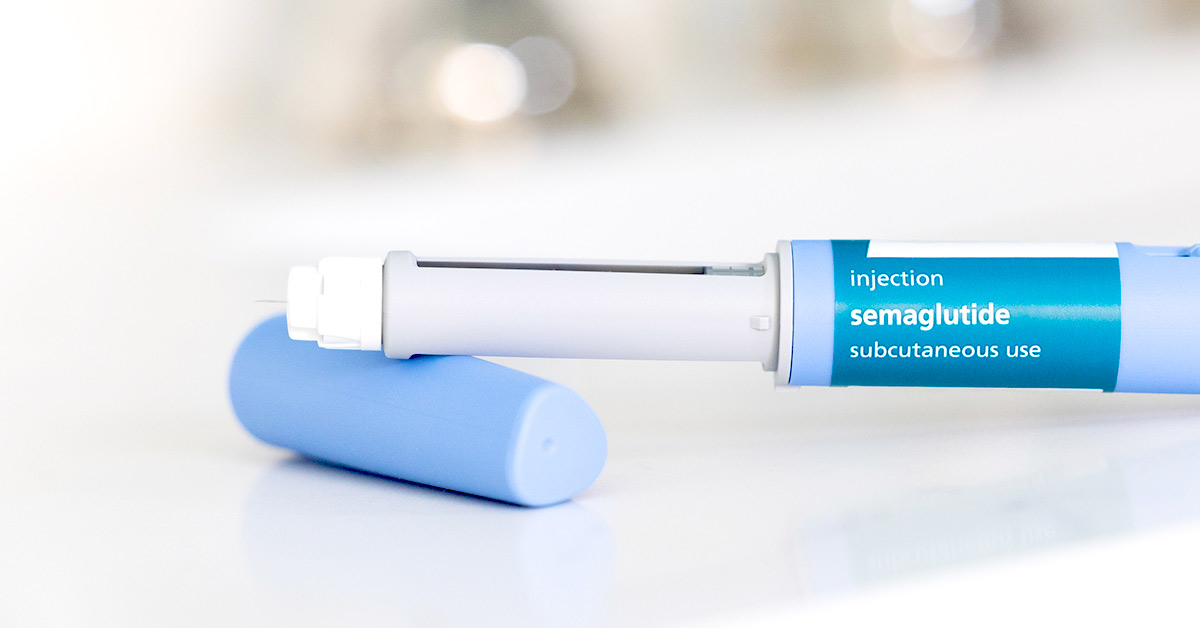

Key Takeaways
- Semaglutide is injected subcutaneously, with the abdomen, thigh, and back of the upper arm being the recommended injection sites.
- Clinical data show small differences in absorption between injection sites, but these differences are not considered clinically meaningful for most people.
- Rotating injection sites is recommended to reduce local irritation and avoid repeatedly injecting the same area of tissue.
- Injection technique, including proper needle placement and consistent site rotation, matters more for reliable dosing than choosing one site over another.
- Comfort, convenience, and consistency should guide injection site selection, provided injections are performed correctly and sites are rotated.
Part of the allure of semaglutide—beyond its capability for producing significant, sustainable weight loss—is its simplicity. One weekly injection may be all you need, but when it comes to optimizing the value of GLP-1s, that’s not all there is to it.
This article will move beyond the basics of semaglutide injection sites. We’re going to deep-dive into the physiological differences that matter when selecting injection sites, how and when to rotate them, plus debunk some misinformation about the process. Anatomy of Subcutaneous Injections
Anatomy of Subcutaneous Injections
All injections aren’t created equal. When using a semaglutide pen, you should know that the absorption rates of injection sites differ somewhat.
These distinctions may not be worth considering if you’re simply trying to stick to your injection schedule, but if you’re trying to glean as much value as possible from your GLP-1 regimen, you need to pay attention to the details.
Abdomen vs. Thigh vs. Arm: Why It Differs
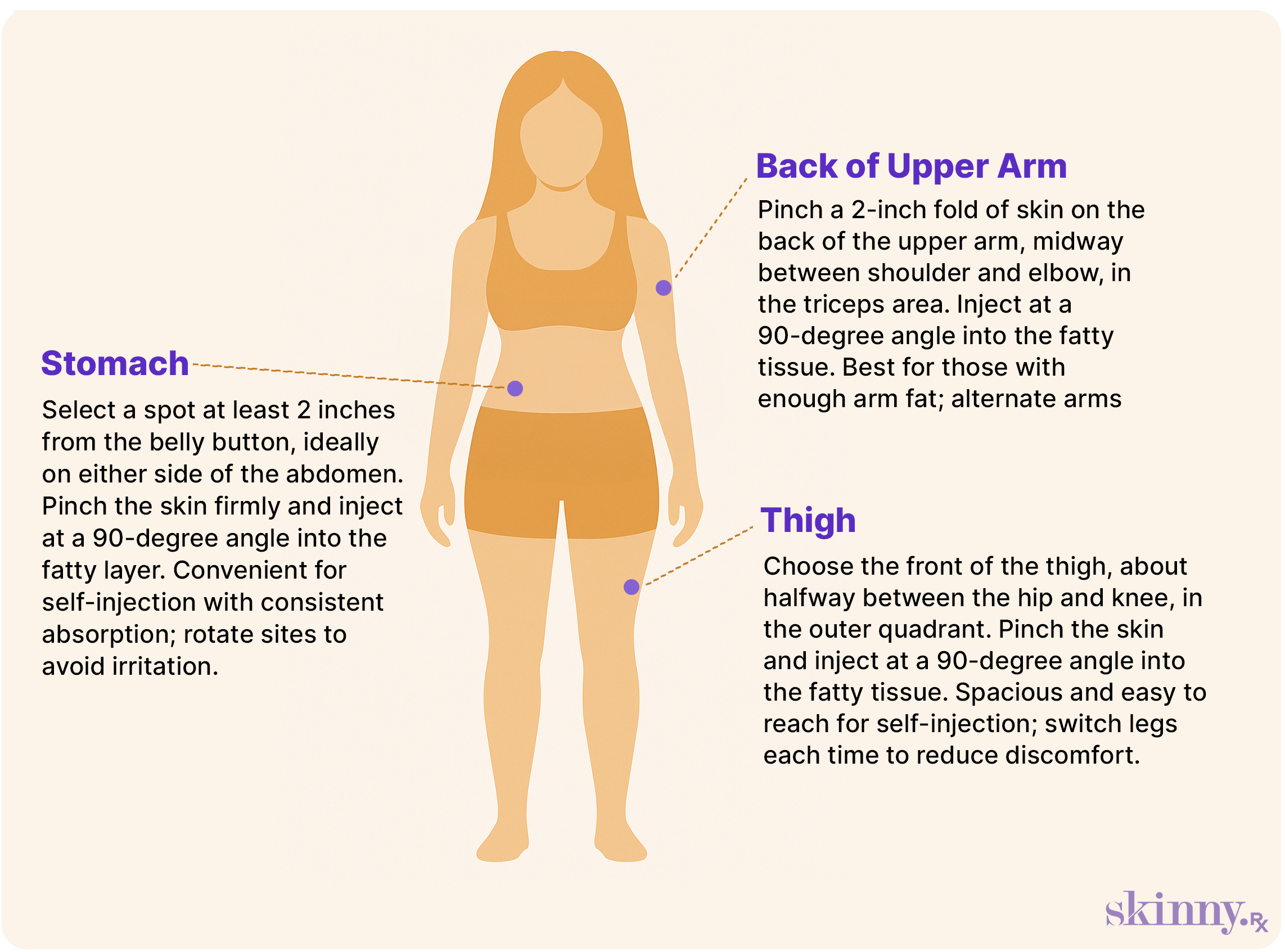
You have three primary options for injecting semaglutide; abdomen, thigh, and upper arm. All three meet the criteria for viability because there’s enough skin, fat, and blood circulation present to ensure the medication absorbs adequately.
However, minor variations in blood flow around these areas, plus the amount of fat present, can mean you absorb the medication at different rates.
Some data have shown that the bioavailability, meaning how much of the drug is able to carry out its intended function, of semaglutide is up to 12% lower when injected into the thigh than the abdomen—but know that this doesn’t mean you’d need to adjust your dose.
Why? For some people, skin on the upper leg is tough, thick, and fatty, which may inhibit the physical insertion of the pen. By contrast, skin on the torso is generally thinner and more accessible.
Worth noting: the U.S. Food & Drug Administration’s regulatory labeling for semaglutide notes two key facts.
- Despite some data showing differing bioavailability by injection site, the FDA highlights that the maximal subcutaneous bioavailability of semaglutide is 89%.
- “Similar exposure” to semaglutide is achieved regardless of injection site.
Bear in mind that we don’t have conclusive data of significance on the semaglutide injection site having any meaningful impact on potency. The details of your injection strategy mostly revolve around safety, comfort, and hygiene.
Ideal Subcutaneous Depth
Semaglutide injection pen needles are available in different grades, with the thinnest options starting at just four millimeters in length. No matter the size you’re working with, you should fully insert the needle subcutaneously (meaning through the outer layer of skin, but not into muscle) at a 90-degree angle.
If you plan to inject the pen into an area where the skin is especially thin, it’s better to choose a different injection site rather than attempting to insert the needle only partway.
Expert-Guided, Sustainable Weight Loss
Discover how proven medications such as semaglutide or tirzepatide, combined with expert support, can help you reach lasting weight loss results.
Mastering the Rotation Strategy
Injecting semaglutide is fairly straightforward on its own. Mastering rotation between the three viable injection sites is key for health and hygiene. Injecting the exact same location repeatedly is a no-go; even using the same region back-to-back may cause issues.
Rotation strategies help you stay safe throughout your protocol. Here’s what to know.
What Happens if You Inject the Same Spot Too Often?
Injections are physical trauma. In addition to standard reactions like bruising, inflammation, or tenderness, repeated damage in the same location causes your body to respond by forming scar tissue around the affected site as a means of building resilience to a perceived threat.
You may also develop lipohypertrophy—literally, the generation of fat, in the area. The Cleveland Clinic notes that as many as two thirds of people with diabetes who require injections are affected by lipohypertrophy at some point.
These fatty obstructions can reduce or limit absorption, and may remain for weeks or months.
Semaglutide Injection Rotation Strategy
Bear in mind that rotating injection sites has nothing to do with changing the efficacy of semaglutide; doing so prevents local complications like lipohypertrophy or irritation. If you’d prefer to inject your abdomen or thigh (not in the exact same spots) each week, you can.
That said, if you’d like to rotate for comfort’s sake:
- For your first injection, start with the stomach.
- The week after, rotate to the thigh.
- On week three, you can return to the stomach as long as you pierce the skin several inches away from the original site.
- If you feel either area needs more time, you can inject the upper arm, then rotate back to the stomach on your fourth week.
The FDA offers specific location guidance for these three injection sites; the middle-front of your thigh, at least two inches clear of your navel on your stomach, or the back side of your upper arm.
Comfort, Technique, and Debunking Myths
There’s plenty of misinformation floating around about administering semaglutide. To cut through the static, you need the facts laid out plainly.
Discomfort Levels Per Site
Pain perception is a personal experience. You aren’t going to feel the exact same level of discomfort in all the same places as someone else. That said, there are general trends to be aware of.
- The abdomen is the most common injection site for beginners. It’s easy to administer, but can be moderately uncomfortable, and requires you to be mindful of skin texture like scars, moles, or stretch marks.
- The thigh is easiest to inject, since you can do so sitting or standing, but may have slightly reduced absorption.
- The upper arm is a sensitive spot for some and requires more dexterity, but is a good option if you need to inject discreetly in public.
It’s commonly stated that the upper arm is harder to self-inject. While true to a degree, you can ensure you’re administering the medication properly by holding the pen with your dominant hand and, if possible, using a mirror to guide you.
Injection Best Practices
Hygienic best practices apply equally regardless of your injection site. Before you administer semaglutide, make sure to:
- Wash your hands thoroughly with soap and water.
- Clean and clear the site with a swab or tissue, and allow the skin to fully dry.
- Gently pinch the skin to create a firm surface if needed.
- Press the tip of the needle against the skin, holding the pen perpendicular.
- Press the needle into the skin, then push the injection button on the top of the pen.
- Hold the button down for 10 seconds, then gently remove the needle.
Remember: Avoid using skin that has scars, lesions, tattoos, or areas that are tender or inflamed. If you have concerns about the administration process, refer to the instructions that came with the medication or consult with your healthcare provider.
We know GLP-1 medications can raise a lot of questions, especially when you’re just trying to understand what your options are. At SkinnyRx, we offer a short assessment that helps you explore doctor-prescribed GLP-1 options, including injections and tablets. It’s there to give you clarity, not to push a decision.
Frequently Asked Questions

By Jake Dickson, NASM-CPT, USAW-L2
Contributing Author
Jake holds a B.S. in Exercise Science from UNC Wilmington and began his career as a personal trainer and weightlifting coach. In recent years, he’s moved behind the page as a writer and editor, contributing hundreds of articles and being featured as a subject matter expert. Today, Jake’s goal remains the same: to empower people to change their lives by bringing heady scientific topics down to ground level.