
 Medically Reviewed

Key Takeaways
- Fatigue is a common side effect of tirzepatide, especially during the first few weeks or after a dose increase, as the body adjusts to the medication.
- Reduced calorie intake from appetite suppression can lead to lower energy levels, making fatigue more likely even without other side effects.
- Early blood sugar fluctuations may cause hypoglycemia, which can feel like weakness, shakiness, and mental sluggishness.
- Dehydration from gastrointestinal side effects such as nausea, vomiting, or diarrhea can contribute to feeling drained and physically depleted.
- Improving energy with tirzepatide often comes down to balanced nutrition, proper hydration, limiting caffeine intake, and maintaining good sleep habits.
If you recently started taking tirzepatide, you may have noticed some side effects, most of which you may have already been aware of. But no matter how many cups of coffee you drink, you can’t help but feel tired.
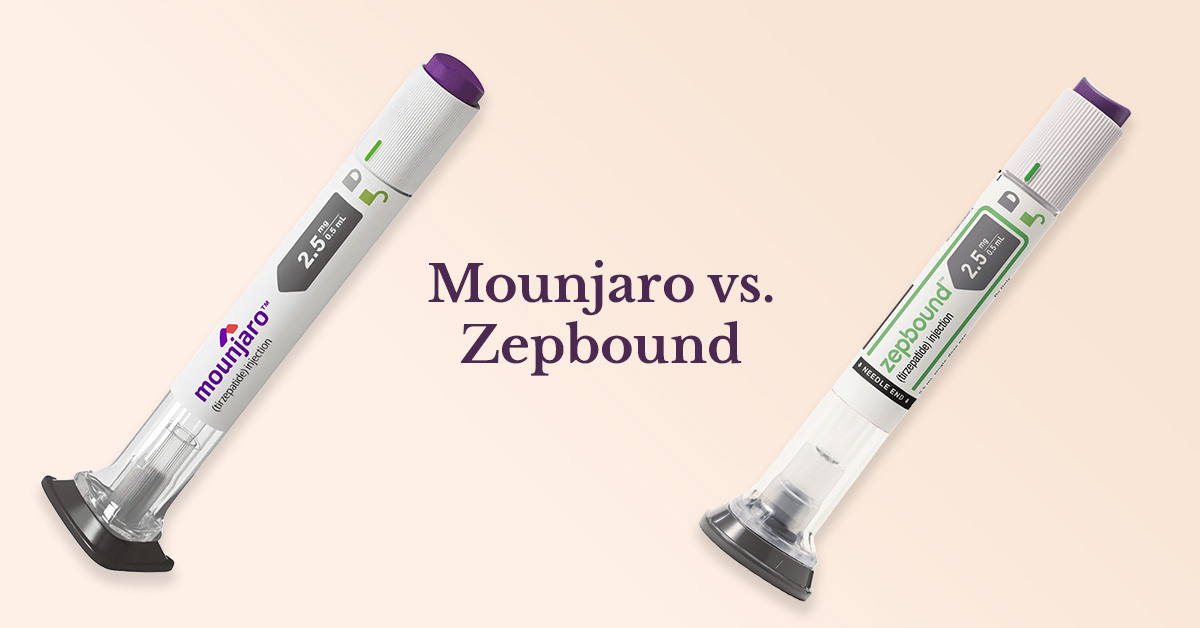
And you’re not alone in feeling that way. Fatigue is listed as one of the side effects of Zepbound, a GLP-1 medication with tirzepatide as the active ingredient.
We’ll take a closer look at how weight loss and diabetes medication like tirzepatide make you so tired and how to cure GLP-1 fatigue.
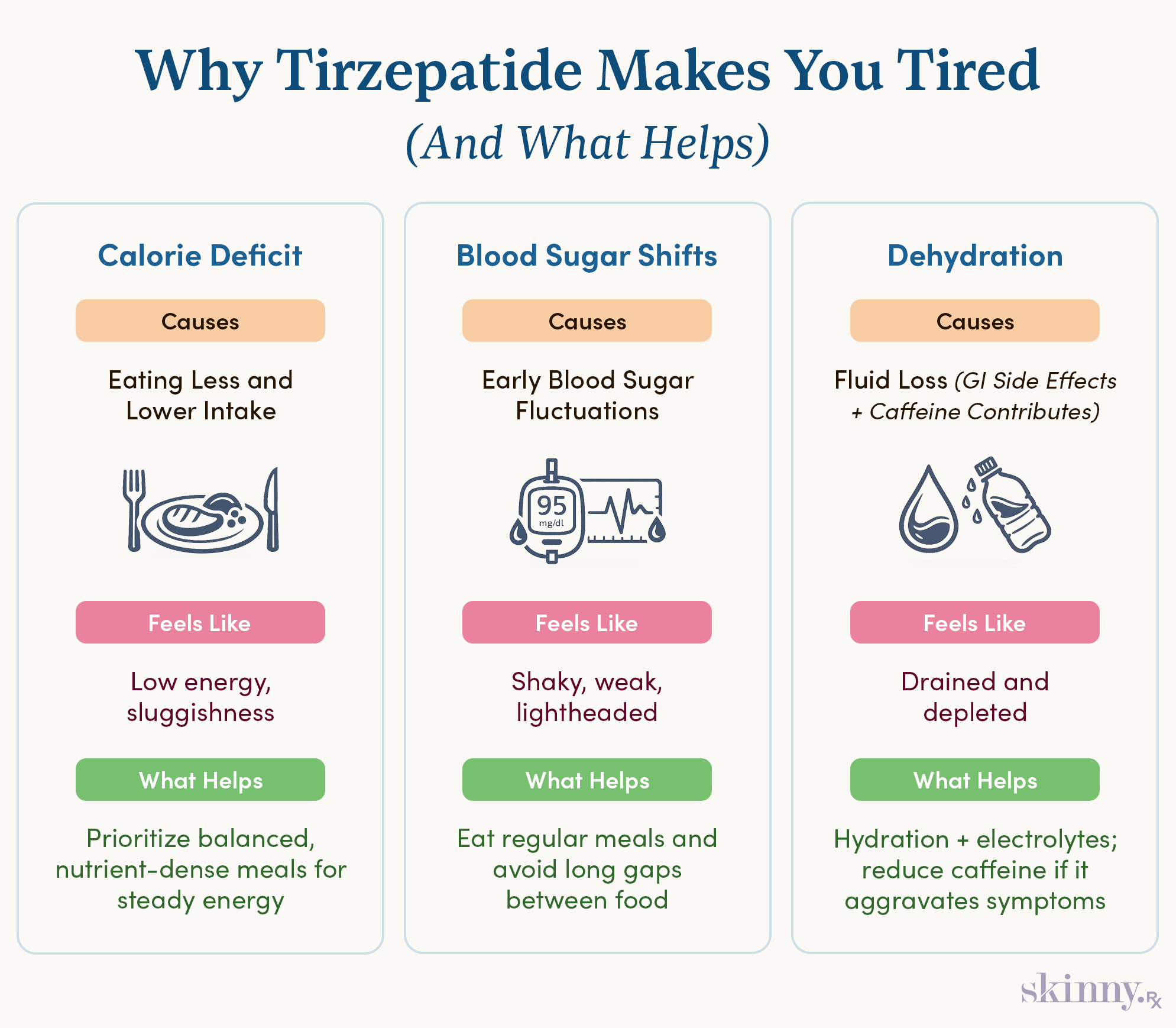
The Three Main Causes of GLP-1 Lethargy
While fatigue may not affect everyone on tirzepatide, there are three big causes behind this lesser-known side effect.
The Calorie Deficit (Fewer Calories = Less Energy)
Weight loss and diabetes medications like GLP-1 receptor agonists (GLP-1s), including tirzepatide, can help stabilize blood sugar levels, support weight management, and improve heart health.
The gastrointestinal (GI) effects of tirzepatide can cause common side effects like nausea, vomiting, diarrhea, constipation, and stomach pain. These often occur within the first few weeks of starting or after a dose increase, and then usually subside as your body adjusts to the medication.
And while it’s temporary when you first start the drug or increase your dosage, fatigue can happen due to a reduced calorie intake. Fewer calories means less energy.
Blood Sugar Stabilization and Hypoglycemia
These medications also work by influencing the release of insulin and glucose to help manage blood sugar levels.
There can also be initial fluctuations in blood sugar levels that can lead to low blood sugar (hypoglycemia), weakness, and tiredness.
While the fatigue side effect typically goes away as you adjust to the medication, those first few weeks may be difficult.
Dehydration and Fluid Loss
Dealing with dehydration and fluid loss from severe gastrointestinal side effects can also cause lower energy than normal.
Caffeine does have a mild diuretic effect, meaning it causes you to urinate more and, in some cases, can lead to dehydration.
Some research also suggests coffee may not be as dehydrating as initially thought.
But if you’re consuming more than the recommended amount, there’s a chance you may pee more, which means losing more bodily fluids.
Rather than reaching for caffeine, there are two ways to manage energy: quality sleep and alternate energy boosters.

I often tell patients that fatigue isn’t always a sign of a problem, but could be a clue that their body is telling them to check in on self-care. Most people are significantly under-hydrated, under-rested, and eating fewer calories than usual. This is especially true during weight loss. Men typically need about 3.5 liters of water per day and women about 2.5. When hydration and sleep are protected and dialed in, energy levels frequently rebound when people can stick with it.
–
Dr. Daniel McGee, Board-certified Family Medicine Physician
The Role of Stimulants: A Word of Caution on Caffeine
While you might want to reach for more coffee to beat the slump, be careful, as your sensitivity to caffeine may have changed in a few ways.
Altered Tolerance and Sensitivity to Stimulants
By slowing digestion, semaglutide can alter absorption rates in the gut, potentially affecting how quickly caffeine enters the bloodstream.
Caffeine increases heart rate and blood pressure, especially if you drink too much. Meanwhile, Zepbound can increase your heart rate by about two to three beats per minute.
This means you might feel more jittery or more alert than usual. Or you may notice that caffeine seems less potent. It really depends on your individual metabolism and how your body responds to the medication.
Caffeine also amplifies anxiety and jitters by blocking adenosine (a relaxing chemical in our bodies) and releasing stress hormones adrenaline and cortisol, as well as dopamine.
This can lead to an increased heart rate, tension, restlessness, and potential panic. And if you consume more than 400mg (about four cups of coffee) or are sensitive to caffeine, this can result in anxiety and physical shakiness.
Delayed Absorption: The Gastric Emptying Connection
These medications slow gastric emptying to help you feel fuller sooner and longer, making you likely to eat less.
Caffeine is usually absorbed quickly in the stomach and small intestine.
But because tirzepatide delays the movement of anything you eat or drink through the digestive tract, it can take longer for the caffeine to reach the point of absorption into your bloodstream.
Meaning, it can take longer for the full force of a morning cup of coffee to hit.

Doctor-Guided Medical Weight Loss
Learn how prescription GLP-1 medications like semaglutide or tirzepatide may support weight loss when guided by a licensed medical provider and tailored to your health history.
Natural Strategies to Boost Strength
If you’re experiencing worsened fatigue while on semaglutide, here are some ways to reduce it.
Prioritizing "Clean" Energy (Nutrition)
As we mentioned, dehydration can play a part in feeling tired and fatigued. Drinking plenty of water every day is good for your overall health. But it’s especially important to stay hydrated if you’re dealing with nausea, vomiting, or diarrhea while on tirzepatide.
You can opt for plain water, but one study shows drinks that combine electrolytes and carbohydrates — like juice, coconut water, or sports drinks — can have a strong effect in improving hydration.
These can replenish your fluids to help you stay hydrated and prevent further gastrointestinal distress.
B vitamins, in particular B12, are also helpful for steady energy. You can either get these vitamins from foods like meat, fish, eggs, dairy, leafy greens, legumes, whole grains, nuts, and seeds, or from a supplement.
Strategic Hydration
If coffee tends to upset your stomach or cause discomfort in general, you might want to be cautious when combining tirzepatide with a cup of joe.
While it may seem blasphemous, especially for die-hard coffee drinkers, cutting back is one way to ease any GI symptoms you may be having.
Despite its prevalence, caffeine is addictive, and withdrawal can cause symptoms like headaches, fatigue, and irritability.
Fortunately, though, it’s generally easier to withdraw or even decrease the amount you consume.
You can decrease the amount you drink gradually by either drinking one less cup or energy drink, or by choosing smaller cups or cans.
Or you can switch to lower or non-caffeinated energy boosters.
Switching to decaf or to tea with a lower caffeine content can help reduce side effects. Just keep in mind that black, white, and green tea varieties, as well as matcha, still have varying amounts of caffeine.
Or if you just like having a warm beverage as part of your routine, you can also try apple cider or hot chocolate.
But you’ll still want to avoid surgery drinks, whether they contain caffeine or not, as they can cause blood sugar spikes, which can lead to fatigue and increased nausea.
Optimizing Sleep Hygiene
Good sleep is essential for better health, from aiding weight loss to providing more energy during the day.
The recommended amount of sleep for adults is seven to nine hours. But the quality of your sleep is just as important as the amount.
One way to try to get better sleep is by setting a caffeine cutoff in the early afternoon. If caffeine disrupts your sleep, it can ripple into the next day’s hunger, cravings, energy, and food choices.
If you haven’t been getting restful sleep regularly, you can start with these tips to improve your sleep hygiene:
- Create a relaxing bedtime routine
- Keep your bedroom dark and screen-free
- Go to bed and wake up at the same time every day
- Exercise regularly during the day
Weight loss and energy levels can be closely connected, and it’s normal to need guidance along the way. At SkinnyRx, we offer a short assessment to help you explore doctor-prescribed options like tirzepatide or semaglutide and determine which approach best supports your health and goals.
Frequently Asked Questions

By Rachel Sacks
Contributing Author
Rachel Sacks is a New York-based contributing writer with more than a decade of experience covering a range of topics, including weight loss, mental health, sexual wellness, skincare, and more. Her work has been featured in The New York Post, Healthline, Hims & Hers, Business Insider, and other notable publications. She graduated from Miami University in Oxford, Ohio, with dual degrees in Journalism and Art History.