
 Medically Reviewed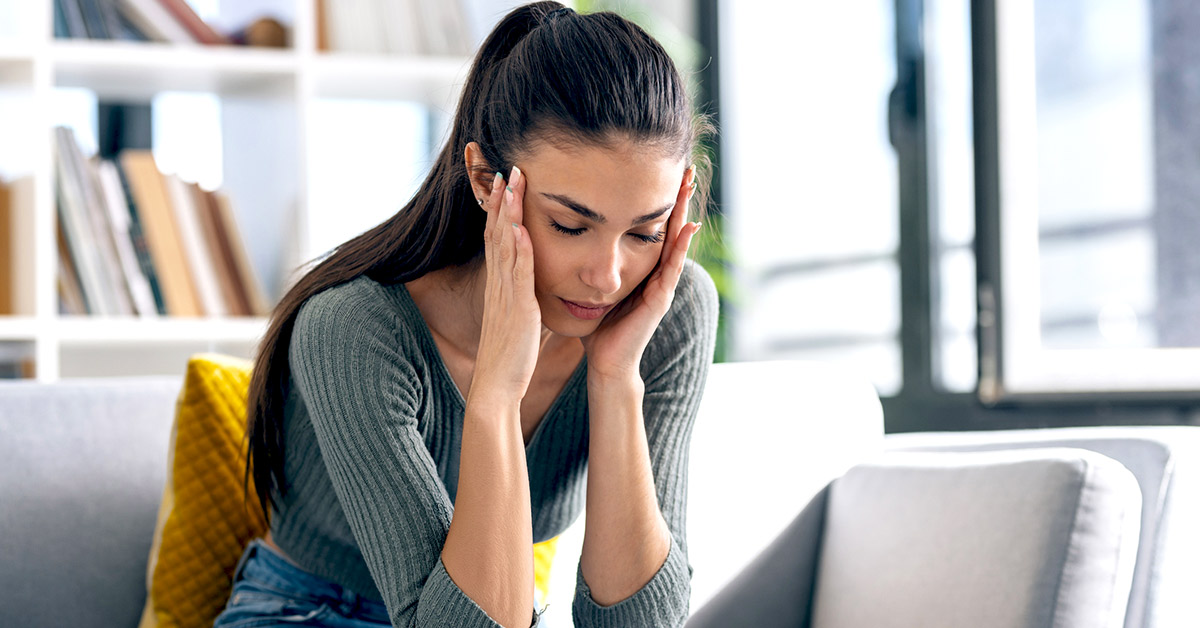

Key Takeaways
- GLP-1s generally have a low risk of causing low blood sugar on their own, but the risk increases when they're combined with insulin or sulfonylureas.
- Not eating enough, often due to appetite suppression, or drinking too much alcohol can drop blood sugar too low even in people without diabetes.
- Shakiness, dizziness, a fast heartbeat, and sudden hunger can signal low blood sugar in anyone, whether or not they have diabetes.
- Mild low blood sugar can usually be treated with carbohydrates or glucose products, while severe cases need glucagon and immediate medical attention.
- Talking to a doctor about medications and personal risk can help establish a plan for responding to symptoms before they happen.
Glucagon-like peptide-1 medications — better known as GLP-1s — were first approved by the FDA to treat type 2 diabetes in 2005. Since then, they’ve become increasingly common for weight management as well.
One effect of GLP-1 medications like semaglutide and tirzepatide is that they help to manage diabetes by lowering glucose or blood sugar levels. But can blood sugar levels drop too low while taking a GLP-1?
Knowing everything you need to know about GLP-1 low blood sugar, including symptoms, risk factors, and more, is key to using them safely.
What Is Low Blood Sugar?
Low blood sugar — also known as hypoglycemia or low blood glucose — is when the amount of sugar in your blood drops below what is healthy for you.
For those with diabetes, this can mean a blood glucose reading lower than 70 milligrams per deciliter. People without diabetes have hypoglycemia when blood glucose is lower than 55 milligrams per deciliter.
However, everyone’s levels can vary, so it’s important to check with your doctor or healthcare provider to find out what blood glucose level is low for you.
Blood glucose is the body’s primary source of energy coming from food you ate that’s broken down from carbohydrates into simple sugars that travel through your bloodstream.
When blood glucose rises after eating, the pancreas is signaled to release insulin, a hormone that helps the glucose get into your cells to be used for energy.
Low blood sugar is common among those with type 1 diabetes and people with type 2 diabetes who take insulin or sulfonylureas, with nearly half of those with type 2 diabetes reporting a low blood sugar event at least once a month.
Those with type 2 diabetes either don’t make enough insulin, their body can’t use it well enough, or both, resulting in too much glucose staying in the blood and not reaching cells.
Severely low blood glucose (when blood sugar drops so low you can’t treat it yourself) is rare.
But while rare, if left untreated, low blood sugar can progress from mild symptoms like confusion and dizziness to more severe, life-threatening medical emergencies, like coma and seizures.
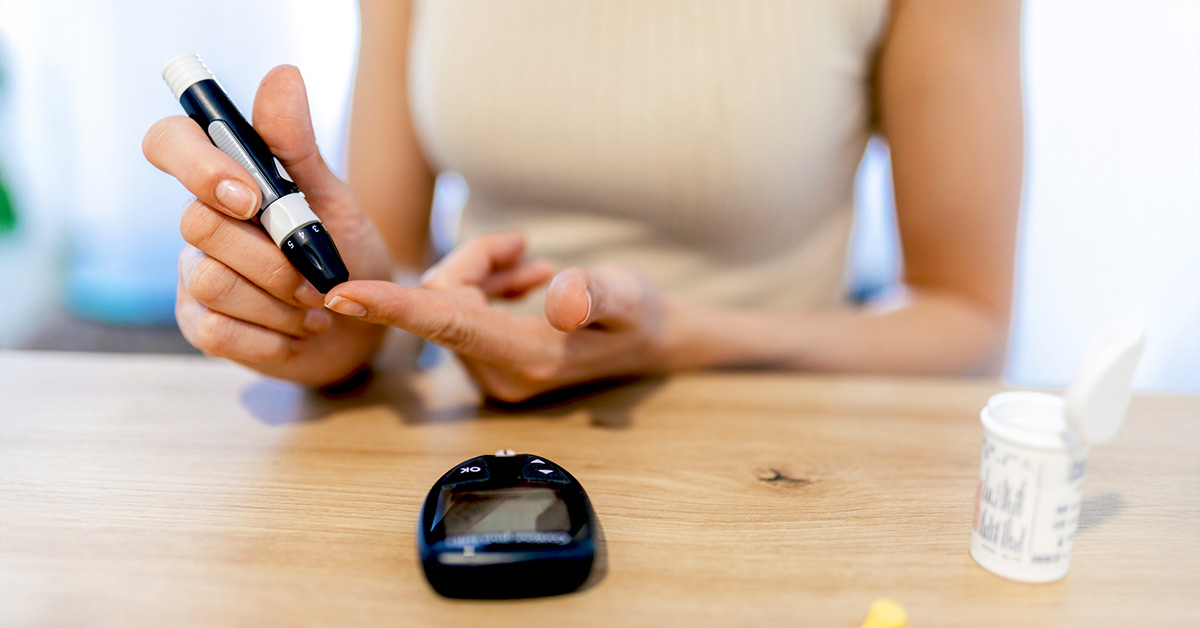
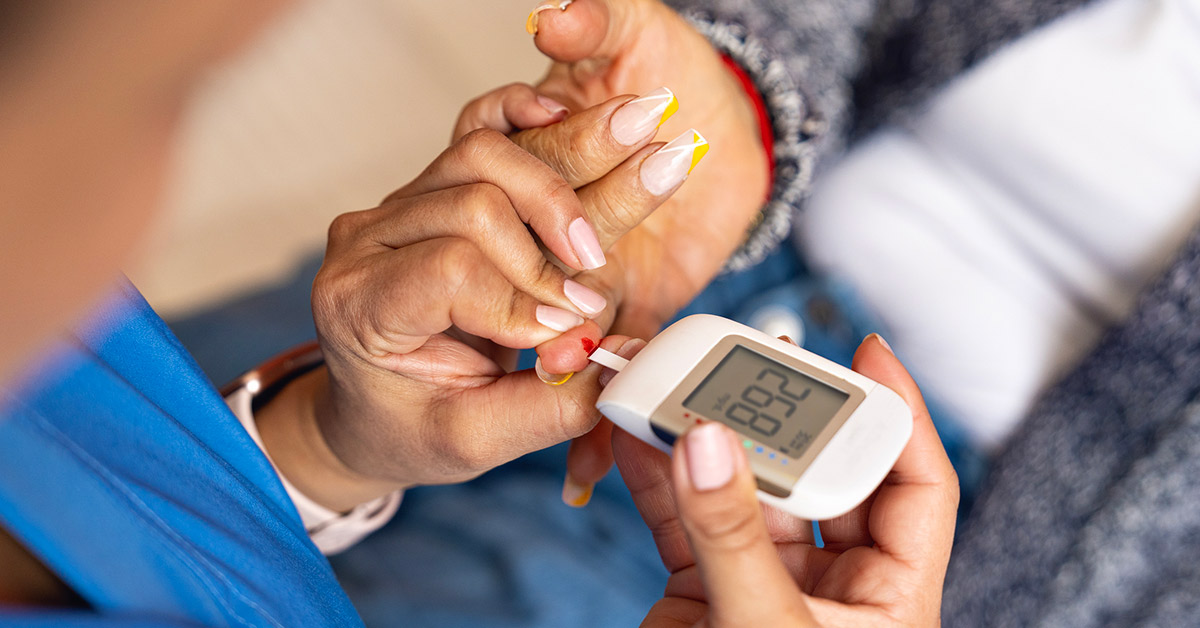
If you have diabetes, you'll most likely need to check your blood glucose every day and make sure it's not too low, using a blood glucose meter or a continuous glucose monitoring (CGM) system.
A healthcare provider may also use a blood test to check whether your blood sugar levels are too low.
If you don't have diabetes but have hypoglycemia, your doctor will likely use other tests to determine the cause.
Can GLP-1 Medications Cause Low Blood Sugar?
GLP-1 hypoglycemia is a possibility; however, the risk varies depending on certain factors.
For example, when using a GLP-1 by itself, the risk of semaglutide low blood sugar is low because of how the medications work.
GLP-1 drugs mimic the GLP-1 hormone that is naturally released after eating and triggers insulin release, as well as block the production of glucagon, a hormone your body uses to raise your blood sugar levels when necessary.
This insulin-stimulating effect stops when blood sugar levels return to a normal range.
But if you’re also taking other medications, the risk of feeling shaky on GLP-1 due to low blood sugar is possible.
Weight Loss Care, Personalized to You
Complete an assessment, and a licensed clinician will review your health and medications to see if GLP-1 treatment is right for you, with ongoing guidance to support you along the way.
Who Has Higher Hypoglycemia Risk?
Low blood sugar is a common risk for those with type 1 diabetes. This risk increases for people with type 2 diabetes who also take a diabetes medication.
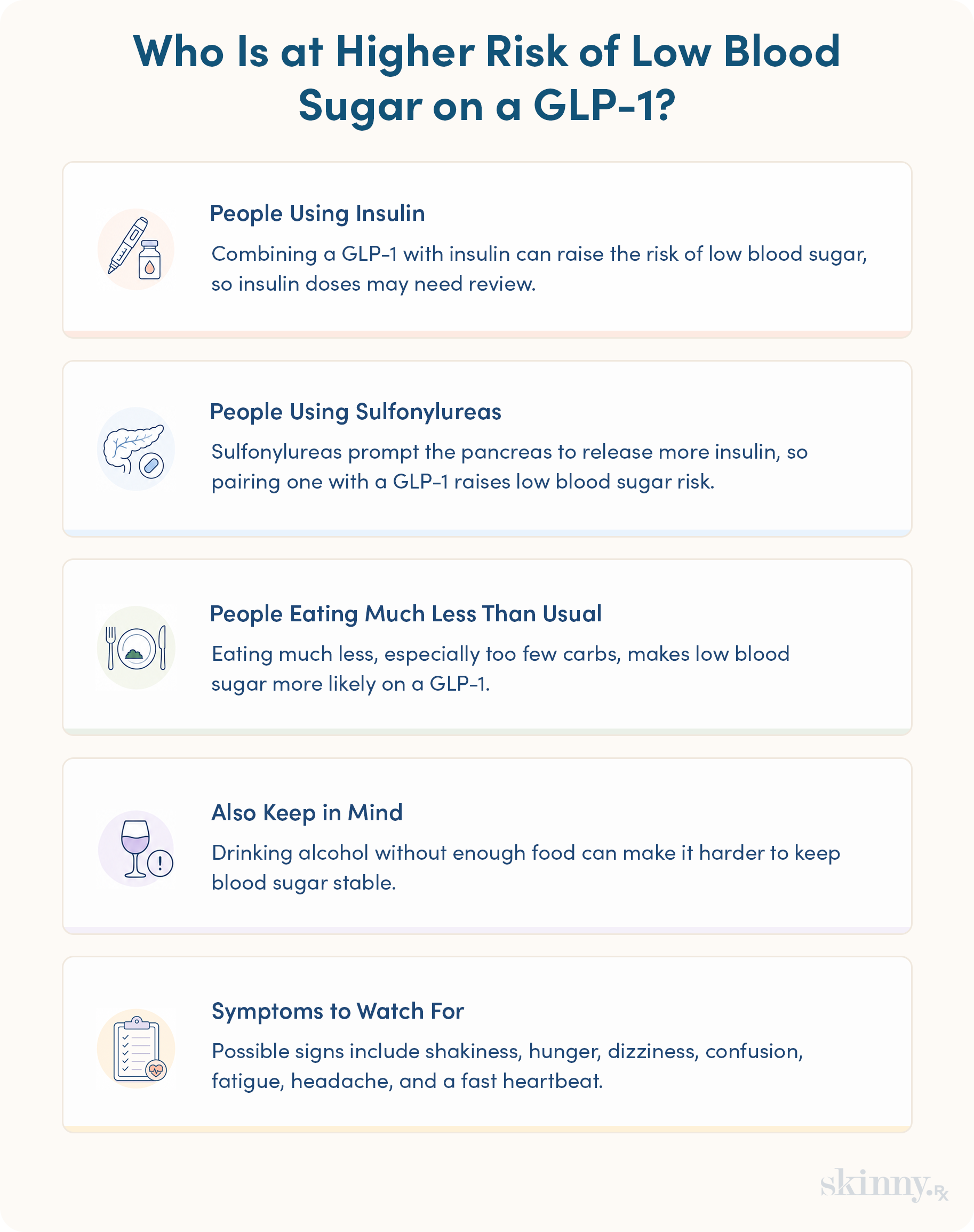
People Using Insulin
Although both GLP-1s and insulin work to manage blood sugar, they’re different substances.
Insulin’s main job is to process energy by moving sugar from blood into cells, while GLP-1s also slow digestion and stop hunger signals in the brain.
GLP-1 drugs and insulin are sometimes used together for type 2 diabetes to reduce hemoglobin A1c (a marker of average blood sugar control) without the additional weight gain that can come from insulin alone.
However, the insulin dose may need to be decreased slightly when starting a GLP-1 to prevent blood sugar from dropping too low.
People Using Sulfonylureas
Sulfonylureas also work like GLP-1s to stimulate the pancreas to release more insulin over several hours.
While using both together can lower hemoglobin A1c without the additional weight gain, the risk of hypoglycemia increases as sulfonylureas force the body to make more insulin. Doctors will often reduce a sulfonylurea dosage or stop the medication altogether if a GLP-1 is started.
People Eating Much Less Than Usual
It’s not just taking other medications alongside a GLP-1 that can increase the risk of low blood sugar.
Since GLP-1s slow digestion, they help people feel fuller for longer after eating, so they generally eat less.
If someone on a GLP-1 drug isn’t eating enough food — namely, carbohydrates — blood sugar can drop too quickly.
Drinking too much alcohol can also raise the risk of low blood sugar as it’s harder for your body to keep your blood glucose level steady, especially if you haven’t eaten enough food.
Symptoms That Can Feel Like Low Blood Sugar
While low blood sugar symptoms vary for those with diabetes, they tend to come on quickly and may include feeling:
- Shaky or jittery
- Hungry
- Tired
- Dizzy or lightheaded
- Confused
- A fast heartbeat
- A headache
Severe low blood sugar can result in the brain not working as it should, causing you to pass out or have a seizure in some cases.
Blood sugar can also drop too low while asleep, resulting in night sweats, feeling irritable or confused after waking up, and nightmares.
However, low blood sugar symptoms in those without diabetes can be very similar. Many of the signs include feeling shaky, sweating, a fast heartbeat, and sudden hunger.
What to Ask Your Healthcare Provider
Before starting a GLP-1, talk to your doctor about any blood sugar concerns, such as:
- Do any of my medications increase low blood sugar risk?
- Should I monitor blood sugar at home?
- What symptoms should I watch for?
- What is my personal plan if symptoms happen?
- Should medication doses be reviewed if I am eating much less?
If you have diabetes, your blood sugar levels should be monitored closely, and you may want to ask your doctor about a blood glucose meter or continuous glucose monitoring.
If you use insulin, sulfonylureas, or another diabetes medication, ask your clinician what low blood sugar symptoms mean for you and what plan to follow.
When to Seek Medical Help
To prevent low blood sugar while on a GLP-1, make sure to eat enough, even if they’re smaller meals more frequently. Focus on protein and fiber to keep you full, while still providing enough nutrients, and drinking plenty of water to stay hydrated.
Typically, mild or moderate hypoglycemia can be treated by eating something with carbohydrates, like a half-cup of juice or soda, and then checking blood glucose after around 15 minutes.
However, some diabetes medications slow the digestion of carbohydrates to keep blood sugar from rising too fast. Eating or drinking a source of carbs won’t raise blood glucose levels quickly enough.
If you’re taking a diabetes medication, a GLP-1, or both, you will need to take four glucose tablets or one tube of glucose gel right away.
Severe hypoglycemia can be treated with glucagon given as a nasal spray or injection.
However, if blood sugar drops too low, you won’t be able to treat yourself. In case of this, talk to your doctor about a glucagon emergency kit.
You should also teach family, friends, and coworkers when and how to give glucagon, and tell them to call 911 right away.
Wearing a medical alert identification bracelet or pendant will also let other people know if you have diabetes and need care right away. Getting prompt care can help prevent the serious problems of low blood glucose levels.
Frequently Asked Questions
Weight Loss Care, Personalized to You
Complete an assessment, and a licensed clinician will review your health and medications to see if GLP-1 treatment is right for you, with ongoing guidance to support you along the way.

By Rachel Sacks
Contributing Author
Rachel Sacks is a New York-based contributing writer with more than a decade of experience covering a range of topics, including weight loss, mental health, sexual wellness, skincare, and more. Her work has been featured in The New York Post, Healthline, Hims & Hers, Business Insider, and other notable publications. She graduated from Miami University in Oxford, Ohio, with dual degrees in Journalism and Art History.