
 Medically Reviewed

Key Takeaways
- GLP-1 medications slow digestion and lower appetite, which can make mornings feel different or trigger nausea on an empty stomach.
- Protein needs increase with GLP-1s; 1.2-1.6 g/kg of ideal body weight per day is recommended to help preserve muscle and promote fullness, and a provider or dietitian can calculate this figure.
- A GLP-1-friendly breakfast should include protein, fiber, micronutrients, and fluids, while avoiding greasy, high-fat foods that can worsen nausea.
- Smoothies and other liquid options are often easier to tolerate than solid foods for those with low appetite or morning nausea.
- A Registered Dietitian Nutritionist can help meet nutrient needs and manage medication side effects throughout treatment.
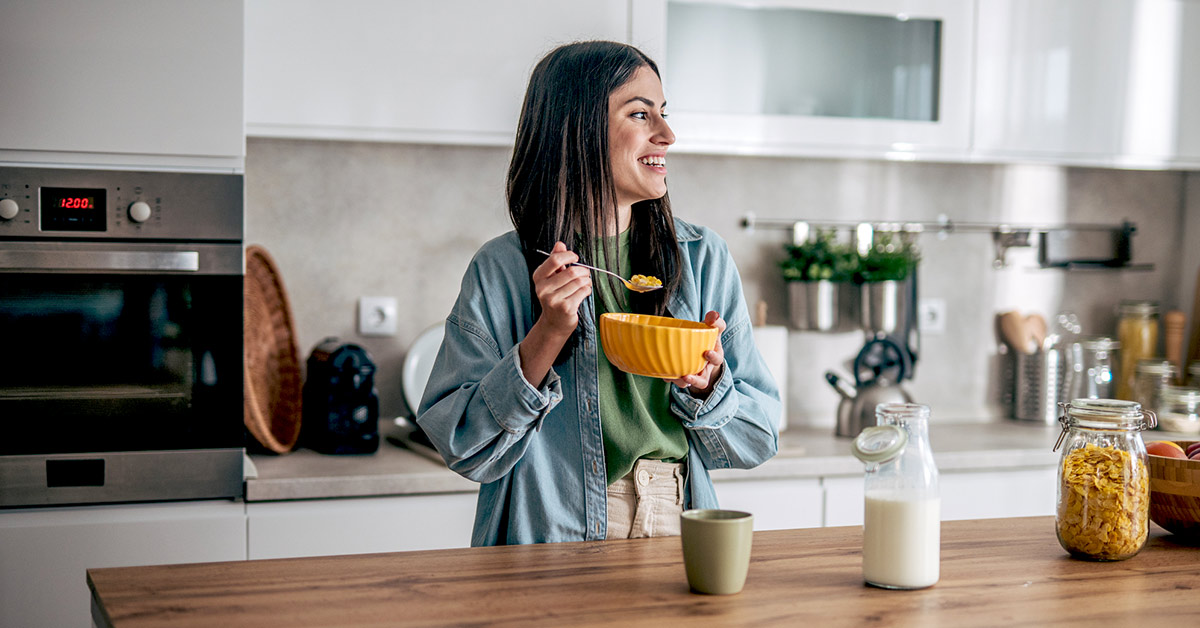
If you are taking a GLP-1 medication, breakfast may feel like the last thing on your mind, especially if you are experiencing low appetite or side effects such as nausea and vomiting.
Even if it’s modest in size, a nutrient-dense breakfast is an important habit to support your health and weight loss goals. In a review of studies where participants successfully maintained weight loss long-term, researchers reported that regular breakfast intake was one habit that helped people be successful.
Why Breakfast Can Feel Different on GLP-1s
GLP-1 medications work by signaling the brain that you are full, which causes your appetite to drop. They also work by slowing the rate of gastric emptying, or how long it takes for a meal to pass from your stomach to your intestines. For these reasons, your morning appetite may feel different while on GLP-1s.
You may find that your overall hunger level is lower and that you get full more quickly. You may even crave different foods than before; emerging research supports that GLP-1 users may have a decreased preference for high-fat and/or high-sugar foods.
Plus, many people experience nausea on GLP-1s, which is one of the most commonly reported side effects. Nausea can often be at its peak first thing in the morning when your stomach is empty. The good news is that nausea typically subsides for most people within a few weeks of the GLP-1 medication, though you can always talk to your physician if your symptoms don’t improve or are especially severe.
Prioritizing Protein on GLP-1s
Prioritizing protein at breakfast can help to meet your higher protein goals while on a GLP-1 medication. Aiming for 1.2-1.6 g/kg of ideal body weight/day can help to maintain muscle mass and promote satiety. Ideal body weight is a target weight calculated from your height and biological sex, rather than your current weight, and a healthcare provider or dietitian can calculate this for you.
On the flip side, low protein intake can contribute to muscle loss and increase the risk of sarcopenia, especially for certain populations, such as women in perimenopause or menopause.
For example, if someone has an ideal body weight of 150 lbs (about 68 kg), they need between 80 and 110 grams of protein daily. Ideally, this should be distributed somewhat evenly throughout the day. For example, the following dietary pattern reflects a strategy of protein-rich, small, frequent meals throughout the day:
- 8:00 AM Breakfast: 25 grams of protein
- 11:00 AM Snack: 10 grams of protein
- 1:00 PM Lunch: 25 grams of protein
- 4:00 PM Snack: 10 grams of protein
- 7:00 PM Dinner: 25 grams of protein
Protein-Rich Food Sources
Both animal- and plant-based foods provide protein. Including a variety of protein-rich foods is ideal to ensure you are getting all of the essential amino acids, or the building blocks of protein.
The following table details the protein quantity of various foods:
Beans and Legumes
- Black beans, cooked: A ½-cup serving provides 7 grams of protein.
- Red kidney beans, cooked: A ½-cup serving provides 7 grams of protein.
- Brown lentils, cooked: A ½-cup serving provides 8 grams of protein.
- Red lentils, cooked: A ½-cup serving provides 12 grams of protein.
- Tofu: A 3-ounce serving provides 9 grams of protein.
Whole Grains
- Brown rice, dry: A ¼-cup serving provides 3 grams of protein.
- Popcorn, popped: A 3¾-cup serving provides 2 grams of protein.
- Oatmeal, dry: A ½-cup serving provides 5 grams of protein.
- Quinoa, dry: A ¼-cup serving provides 6 grams of protein.
Nuts and Seeds
- Peanut butter: A 2-tablespoon serving provides 7 grams of protein.
- Cashews: A ¼-cup serving provides 5 grams of protein.
- Sunflower seeds: A ¼-cup serving provides 6 grams of protein.
- Pumpkin seeds: A ¼-cup serving provides 11 grams of protein.
Vegetables
- Peas, cooked: A ½-cup serving provides 4 grams of protein.
- Corn, cooked: A 1-cup serving provides 2.5 grams of protein.
- Spinach, raw: A 1-cup serving provides 0.8 grams of protein.
- Sweet potato, cooked: One medium sweet potato provides 2.5 grams of protein.
Eggs
- Egg, large: One egg provides 6 grams of protein.
- Egg whites: A 3-tablespoon serving provides 5 grams of protein.
Dairy
- Milk, regular: A 1-cup serving provides 8 grams of protein.
- Milk, ultra-filtered: A 1-cup serving provides 13 grams of protein.
- Greek yogurt: A ⅔-cup serving provides 18 grams of protein.
- Cottage cheese: A ½-cup serving provides 12 grams of protein.
- Cheddar cheese: A 1-ounce serving provides 6 grams of protein.
Poultry
- Chicken breast: A 4-ounce serving provides 33 grams of protein.
- Deli turkey: A 1-ounce serving provides 7 grams of protein.
Fish and Shellfish
- Salmon: A 4-ounce serving provides 23 grams of protein.
- Tuna, canned: One can provides 25 grams of protein.
- Shrimp: A 3-ounce serving provides 14 grams of protein.
Meat
- Ground beef, 90/10: A 4-ounce serving provides 25 grams of protein.
- Sirloin steak: A 4-ounce serving provides 25 grams of protein.
Weight Loss Care, Personalized to You
Connect with a provider who can help determine whether GLP-1 treatment is right for you, then get ongoing support to stay on track.
What Makes a GLP-1-Friendly Breakfast?
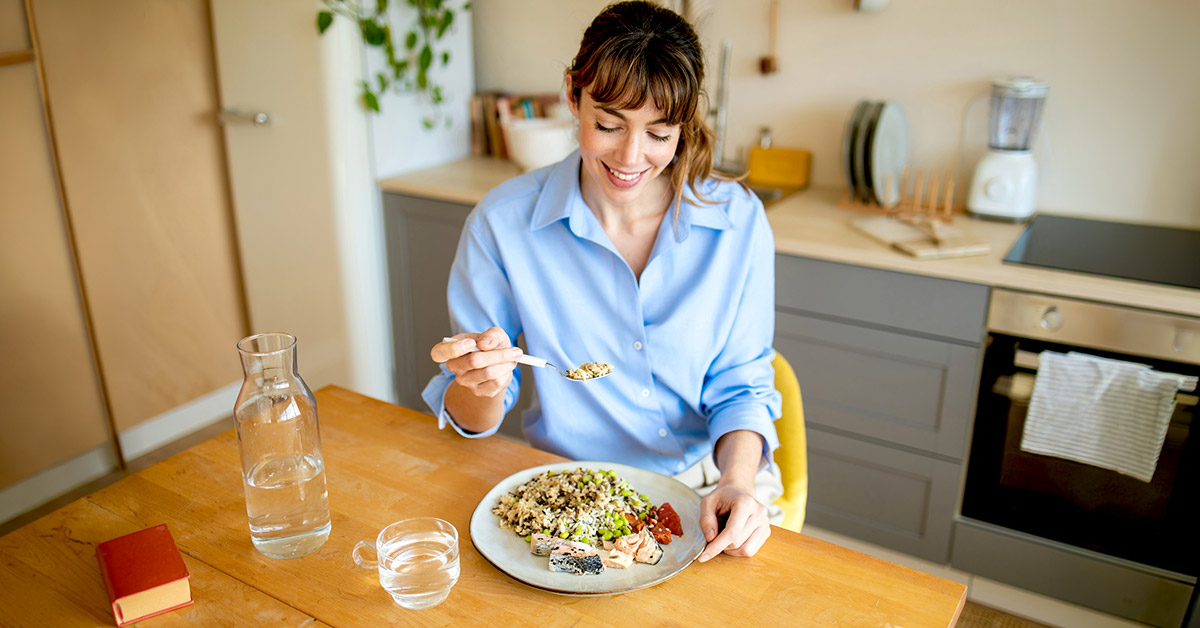
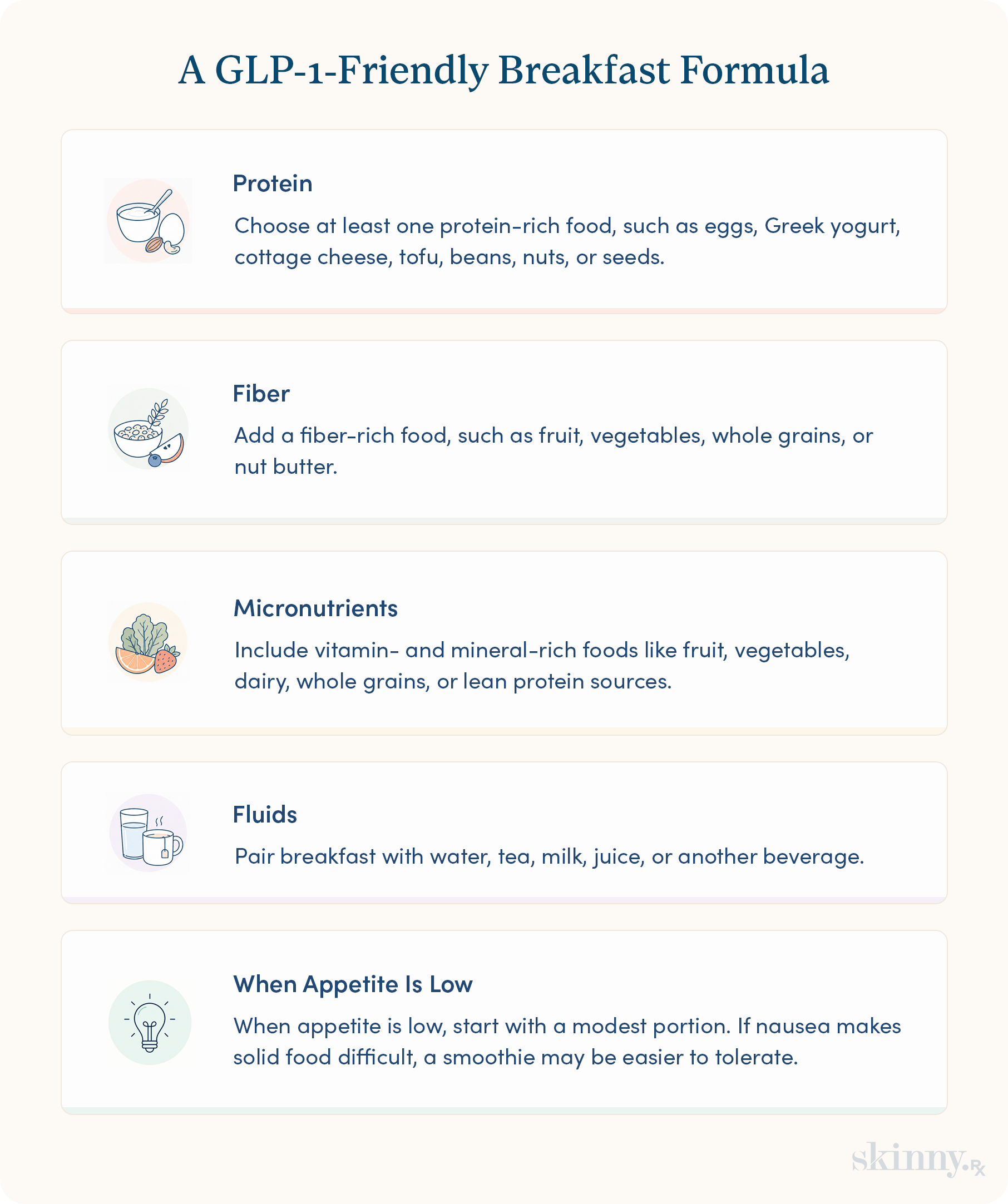
In addition to protein, a GLP-1-friendly breakfast should fuel you with fiber, micronutrients, and fluids. Aim to avoid high-fat, greasy foods (e.g., bacon, sausage), as these can exacerbate nausea.
- Protein: Make sure you include at least one protein-rich food source, such as eggs, yogurt, nuts or a nut butter, beans, seeds, or tofu.
- Fiber: An MVP nutrient for GLP-1 users, fiber is critical for helping you feel full and preventing constipation. Aim to include at least one fiber-rich food source, such as a fruit, vegetable, whole grain, or nut butter.
- Micronutrients: As your overall food intake dips, choosing vitamin- and mineral-rich foods becomes especially important for ensuring you meet your nutrient needs. Vegetables, fruits, whole grains, dairy, and lean protein sources all provide distinct vitamins and minerals.
- Fluids: Adequate fluids are essential to staying hydrated and preventing constipation. Fluids include not just water, but also tea, milk, juice, and other beverages. If fighting nausea, having fluids between meals, rather than with your meals, can be a helpful strategy.
Easy Breakfast Ideas When Appetite Is Low
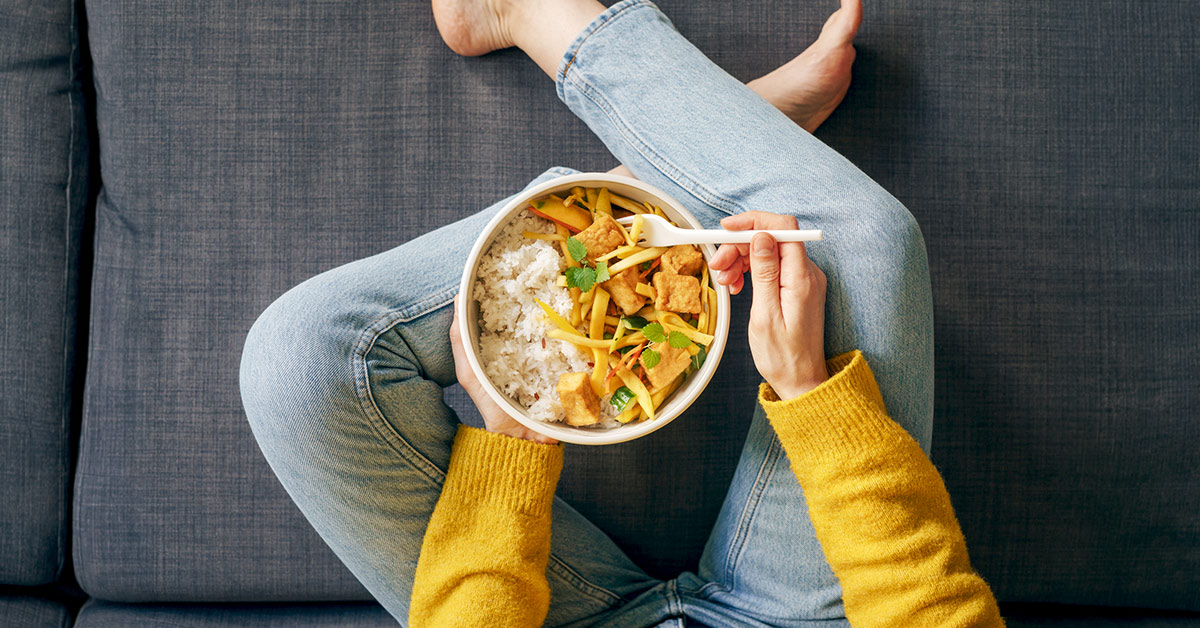
If you’re struggling to find a new breakfast routine, trying out new, protein-rich options may help. These also provide fiber, another key nutrient for GLP-1 users, as well as a variety of vitamins and minerals:
- Egg bites with spinach and cheese
- Smoked salmon or tuna on whole-grain toast
- Tofu scramble with vegetables
- Peanut butter or almond butter on whole-grain toast
- Beans, eggs, avocado, and salsa in a small bowl
- Turkey, egg, or tofu breakfast wrap cut into smaller portions
No-Cook and Grab-and-Go Options
For many people, having no-cook and grab-and-go options will set them up for success, whether it’s due to a busy morning schedule or nausea triggered by the smells of cooking. Good options include:
- Plain Greek yogurt with berries and chia seeds
- Cottage cheese with fruit and chopped nuts
- Protein smoothie with fruit and spinach
- Overnight oats with Greek yogurt
Keep in mind that you can eat any foods at breakfast, not just the typical breakfast foods. Good options include:
- Egg salad or chicken salad made with Greek yogurt
- Low-sodium deli meat (e.g., turkey, ham), wrapped around avocado slices
- Leftover lean meats and vegetables from last night’s dinner
What to Do if Breakfast Makes You Nauseated
For those with very low appetite or morning nausea, a smoothie is often a helpful approach. Many people find they can better tolerate a liquid meal than solid foods, especially first thing in the morning. Mix protein-rich foods, such as plain Greek yogurt, silken tofu, or nut butters, with frozen fruits, a handful of leafy greens, and a liquid such as milk, water, or diluted juice.
Sipping from a straw, using a container with a closed lid, and choosing very cold beverages can also be helpful if battling nausea.
Additionally, keep in mind that your breakfast portion can be modest, perhaps even your smallest meal of the day. It’s fine to treat breakfast as a snack, rather than a full meal, especially if nauseous. You may find you can better tolerate foods later in the day as nausea subsides.
When to Work With a Dietitian
A Registered Dietitian Nutritionist (RDN) can be helpful at any stage of your weight-loss journey, whether you are just getting started on a GLP-1 medication or looking to maintain your weight loss.
An RDN can help to make sure you are meeting overall nutrient needs, manage any symptoms you are experiencing with the medication, troubleshoot your unique challenges, and evaluate whether a dietary supplement is warranted.
The Academy of Nutrition and Dietetics offers a Find a Nutrition Expert tool that can help you connect with an RDN near you.
The Bottom Line
Breakfast can feel harder to manage on a GLP-1, especially with low appetite or nausea in the mix. Even so, a small, protein-rich meal is worth prioritizing. It supports your muscle mass and helps you meet your daily nutrient needs, even when your overall appetite is lower than it used to be.
If solid food is a struggle some mornings, a smoothie is a solid substitute. It delivers protein, fiber, and fluids in a form that's often easier to tolerate, especially when nausea is at its worst.
Your dietitian or prescribing provider can help you build a breakfast routine that fits your appetite, your schedule, and your goals. You don't have to figure this out alone.
Frequently Asked Questions
Real Support. Real Results.
Connect with a provider who can help determine whether GLP-1 treatment is right for you, then get ongoing support to stay on track.

By Whitney Linsenmeyer
Assistant Professor of Nutrition and Dietetics
Whitney Linsenmeyer, PhD, RD, is an Assistant Professor of Nutrition and Dietetics at Saint Louis University and a National Spokesperson for the Academy of Nutrition and Dietetics with expertise in fad diets, culinary nutrition, and transgender health. Her research focuses on gender-affirming nutrition care, and she brings a joy-first approach to food science and eating behavior.